

Let’s be honest, many golfers know what it feels like to pull out the driver on a tee box, swing hard, and hope the ball lands somewhere playable. Missed fairways, lost balls, and wildly inconsistent drives often follow. If that sounds familiar, you’re not alone. A mini driver could be exactly what you need. A club that bridges the gap between driver and fairway wood to improve your accuracy and give up less distance than you’d expect. If you’ve been pondering whether or not a mini driver is right for you, read on. I’ve made the switch – and my tee game has never been better.
What Is a Mini Driver, and How Is It Different?

A mini driver sits between your driver and 3-wood in terms of loft, shaft length, and clubhead size. It typically has a smaller clubhead than a standard driver (often in the 280-360 cc range vs. 460 cc) and a shaft that is shorter by a couple of inches. The loft tends to be higher than a driver, anywhere between 11-13°, and sometimes slightly more which helps launch the ball more easily.
Because of these design differences, mini drivers are easier to manage: the shorter shaft gives more control, the smaller head is easier to square at impact, and the loft plus deeper face work together to help keep the ball in the air.
Why Mini Drivers Tend to Be More Accurate
Here are the key reasons many golfers see better consistency with mini drivers:
- Shorter Shaft = More Control
The shorter the club, the less leverage and torque to mis-manage. With a full-length driver, small flaws in tempo or path get amplified. A shorter shaft helps reduce swing errors, making it easier to hit more fairways. - Smaller Head & Higher Loft Help with Launch & Spin
Mini drivers often have higher loft and a design that lets you launch the ball more easily. Also, the loft helps spin stabilize the flight, which means even off-center hits can stay more in line. The trade-off is a bit more spin (which can reduce max distance), but the gain in control often outweighs the loss. - Higher Moment of Inertia (MOI) & Forgiveness
Many mini driver heads have relatively high forgiveness for their size. Because you’re typically hitting off the tee, you can use a more forgiving face or design that tolerates mishits better than a full driver, especially when you don’t get perfect center-face contact.
How Much Distance Do You Give Up?
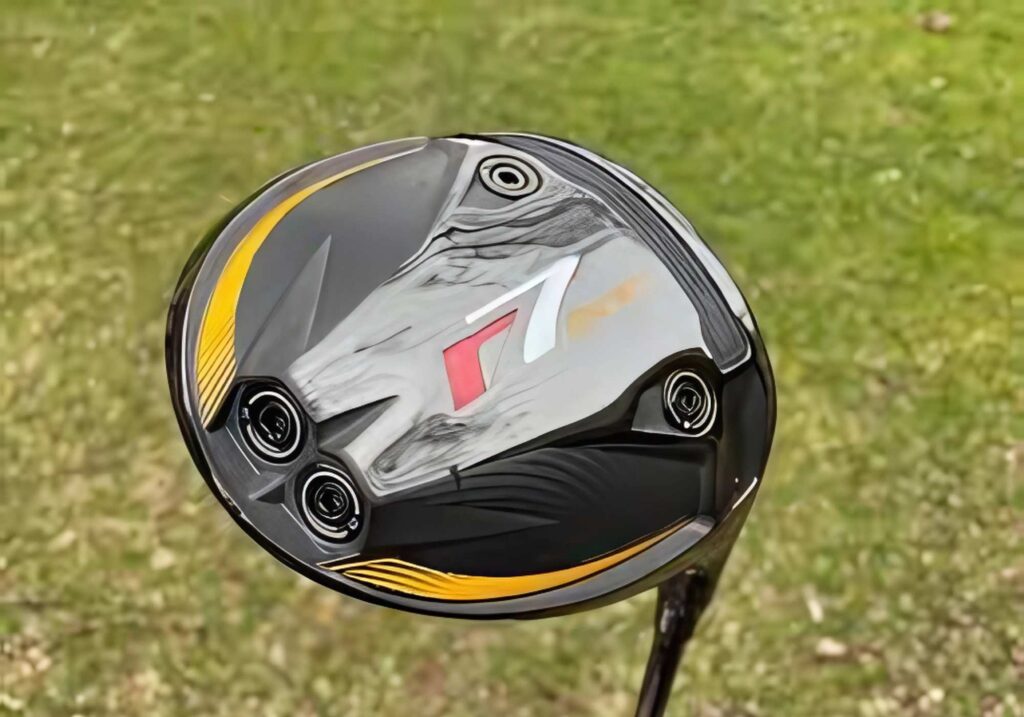
A primary concern for some golfers is that you may give up significant distance off the tee in switching to a mini driver. The straightforward answer? Yes, sometimes. However, in some cases the trade-off may be beneficial in the form of less penalizing misses and hitting more fairways. Through my personal experience, I have actually gained yards in switching to a mini driver. I am finding the center of the face more consistently, which maximizes the performance of the head. Am I sacrificing distance potential? Sure. But potential is just that, and I’ll take the center of the clubface over a toe miss every single time.
Who Benefits Most from a Mini Driver
A mini driver doesn’t fit every golfer, but the right player will see noticeable improvements. If any of these are true for you, it might be worth trying one:
- You struggle to keep your driver in play (miss lots of fairways with the driver).
- You don’t like how your 3-wood performs off the tee or even off the fairway.
- You play courses with tighter fairways, doglegs, or hazards that punish errant tee shots.
- You want launch-help and forgiveness without stepping up to a driver that might be harder to control.
How to Use a Mini Driver Effectively
If you decide to try a mini driver, here’s how to get the most from it:
- Tee it appropriately – Because of the loft and face design, mini drivers sometimes launch best when teed slightly lower than drivers, depending on your preference and swing. Practice a few tee heights and monitor launch angle.
- Swing more like a 3-wood than driver – Smooth tempo, balanced transition, controlled swing path. Since mini drivers often sit between 3-woods and drivers, approach them with similar mindset: ball more forward, but not as steep or aggressive a driver swing.
- Practice off the tee AND off the deck (if design allows) – Some mini drivers are usable off the fairway. That versatility builds confidence and gives more options in-course.
- Check loft, shaft, and fitting – A well-fitted mini driver can perform much better. Loft, shaft flexibility/length, and head design all affect whether you lose distance or gain just the control.
Should You Replace Your Driver with One?
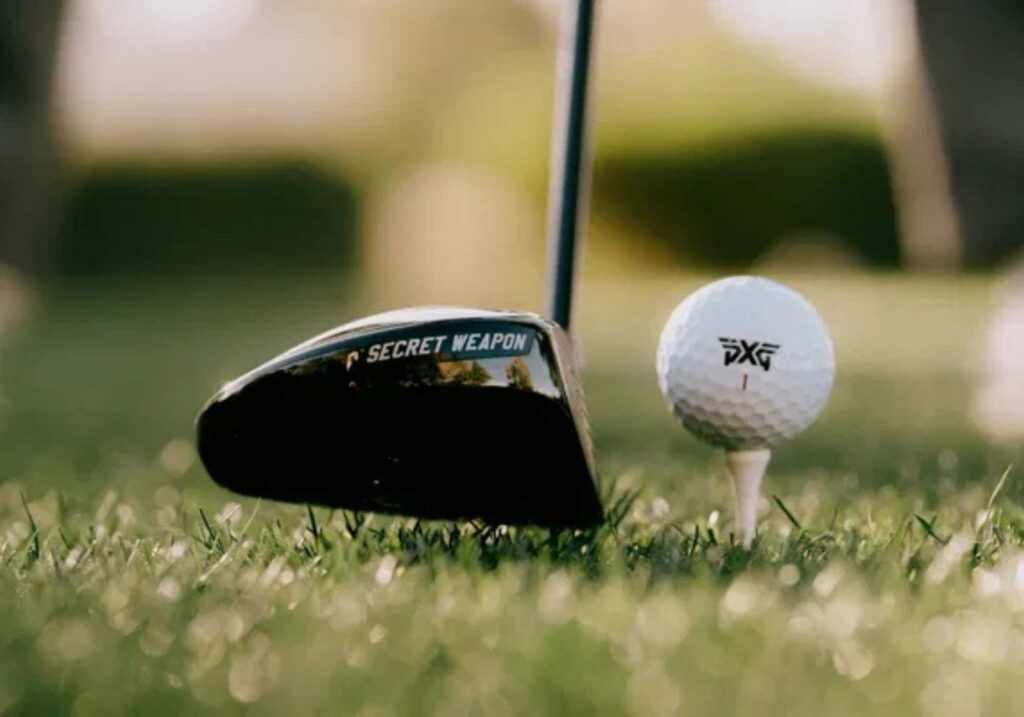
The honest answer is that it depends. Many experts and testers suggest keeping both, especially if your driver works well in certain conditions (wide fairways, holes where factors like roll matter). Using a mini driver as a secondary club for tighter tee boxes, crosswinds, or courses where driver is risky may offer big gains. If you replace the driver completely, you must be okay with giving up some distance potential, but if you get more fairways and fewer penalty strokes, the net benefit may be more than worth it.
I have been playing a mini driver full time for the past 5 weeks and could not be happier with the performance I am seeing. This is truly a YMMV proposition. Only you know your game and what works best for you. However, I’d strongly suggest giving one a try.
Final Thoughts
A mini driver is almost tailor-made for golfers who want to hit more fairways, feel more in control off the tee, and reduce the “outrageous miss” cost. You may lose some yards, but the trade-off can be far lower scores and more consistent golf overall. If you’re struggling to find driver accuracy, trying a mini driver could be the breakthrough your tee game needs.