
Ever wondered if switching to graphite iron shafts would help your game, or if sticking with traditional steel is the best move?
Choosing between steel vs graphite iron shafts is one of the most impactful equipment decisions you can make. The shaft is the engine of the golf club, and the material you choose directly affects your feel, distance, launch angle, and consistency.
Both materials have evolved significantly in recent years, and the old stereotypes—like graphite only being for seniors—are long gone. There’s no one-size-fits-all answer, but understanding the technical differences will help you make an informed choice.
Let’s break down what each material offers, their steel vs graphite iron shafts pros and cons, and which might suit your swing and goals best.
What Are Steel Iron Shafts?
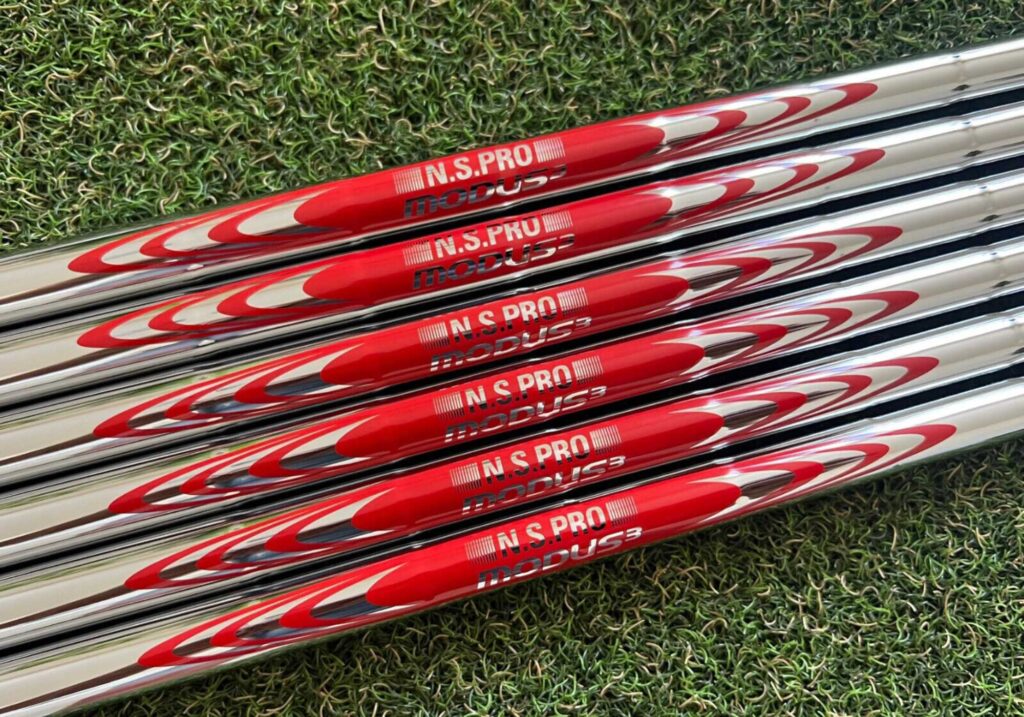
Steel shafts have been the traditional choice for iron sets for decades. Made from carbon steel or stainless steel alloys, they are heavier and offer a firmer, more stable feel.
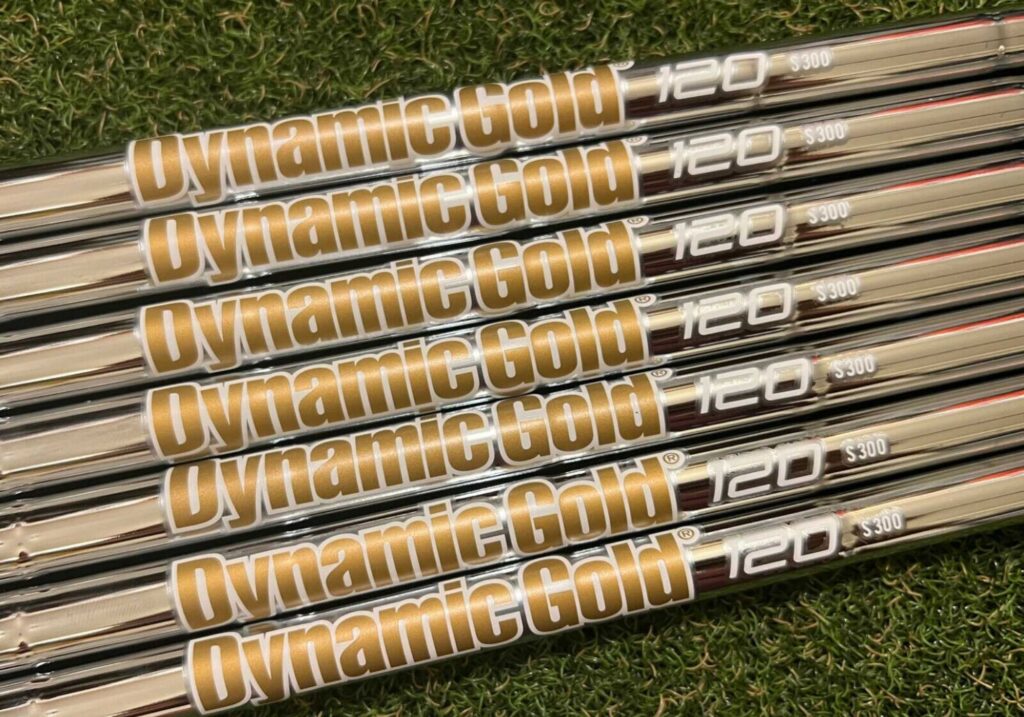
Modern steel shafts range from lightweight options (around 85g) to tour-weight shafts (120g to 130g+).
Why Golfers Choose Steel:
Steel is renowned for its consistency. Because the manufacturing process is highly standardized, steel shafts offer incredibly tight tolerances in terms of Torque and Flex Profile. This means a 7-iron shaft will feel and perform almost identically to an 8-iron shaft in the same set.
What Are Graphite Iron Shafts?
Historically, graphite iron shafts for seniors or players with very slow swing speeds were the only options on the market. Today, modern technology has completely changed that perception. Graphite options are now used by players at every level, including touring professionals.
They are:
- Lighter than steel (typically ranging from 50g to 105g).
- Made from advanced Carbon Fiber Composites.
- Designed with highly customizable flex profiles and specific Kick Point (Bend Point) to optimize launch.
Why Golfers Choose Graphite:
Graphite allows manufacturers to manipulate the weight and stiffness independently. This means you can have a very light shaft that is still stiff enough for a fast swing, or a heavier shaft that launches the ball high.
Key Differences: Steel vs Graphite
If you are asking, “What is the weight difference between steel and graphite shafts?”, or looking for an iron shaft weight comparison to understand performance, here is a breakdown of the core differences.
| Feature | Steel Shafts | Graphite Shafts |
| Weight | Heavier (85g – 130g+) | Lighter (50g – 105g) |
| Feel & Feedback | Firm, stable, solid | Softer, smoother, dampens vibration |
| Launch Angle | Generally lower, penetrating | Generally higher, easier to elevate |
| Distance | Controlled, precise | Often increases due to lighter weight |
| Vibration Dampening | Minimal | High – excellent for joint protection |
Pros and Cons
Steel Shafts
Pros:
- Ultimate Control: Greater stability and control, especially on mishits.
- Lower Flight: The heavier weight and stiffer profiles promote a lower ball flight, preferred by strong or fast-swinging players.
- Cost-Effective: Generally more affordable to manufacture and purchase.
- Classic Feel: The traditional, crisp feedback that many purists prefer.
Cons:
- Fatigue: The heavier weight can reduce swing speed or cause fatigue over an 18-hole round.
- Harsh Feedback: They transmit more shock to the hands, wrists, and elbows, which can aggravate injuries.
Graphite Shafts
Pros:
- Speed and Distance: The lighter weight can significantly increase swing speed and overall distance.
- Higher Launch: Designed to help golfers get the ball airborne and stop shots on the green faster.
- Vibration Dampening: Superior shock absorption reduces fatigue and joint pain.
- Customization: Advanced Frequency Matching allows for incredibly precise fitting.
Cons:
- Price: Generally more expensive due to the complex manufacturing of carbon fiber.
- Feel: Can feel too light or “whippy” for some strong players if not properly fit for Swing Weight (D0, D2, etc.).
Answering Your Biggest Questions
“Should I use steel or graphite shafts in my irons?”
This depends entirely on your physical needs and swing mechanics. If you prioritize pinpoint accuracy, have a fast swing, and like a heavy club, steel is likely your best bet. If you want to swing faster with less effort, or if you need help getting the ball in the air, graphite is the clear winner.
“Do graphite shafts hit the ball further than steel?”
Often, yes. Because graphite is lighter, most golfers can swing a graphite-shafted iron faster than a steel-shafted one. Increased clubhead speed translates directly to more distance. This makes them the best iron shafts for slow swing speeds.
“Are graphite shafts better for joint pain?”
Absolutely. The Carbon Fiber Composites used in graphite shafts excel at Vibration Dampening. If you suffer from golfer’s elbow, arthritis, or wrist pain, switching from steel to graphite iron shafts can make the game significantly more comfortable.
“Can fast swingers use graphite iron shafts?”
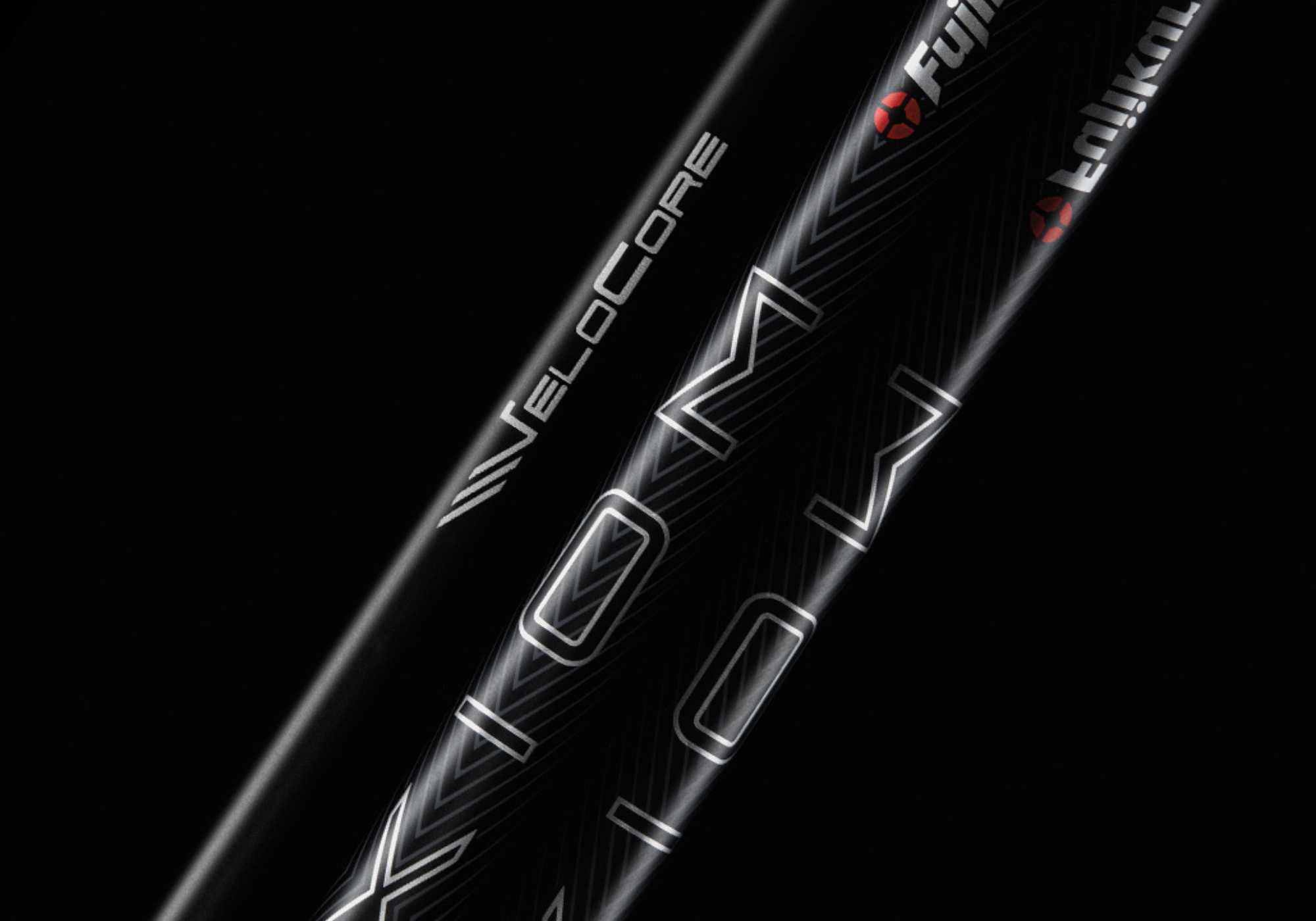
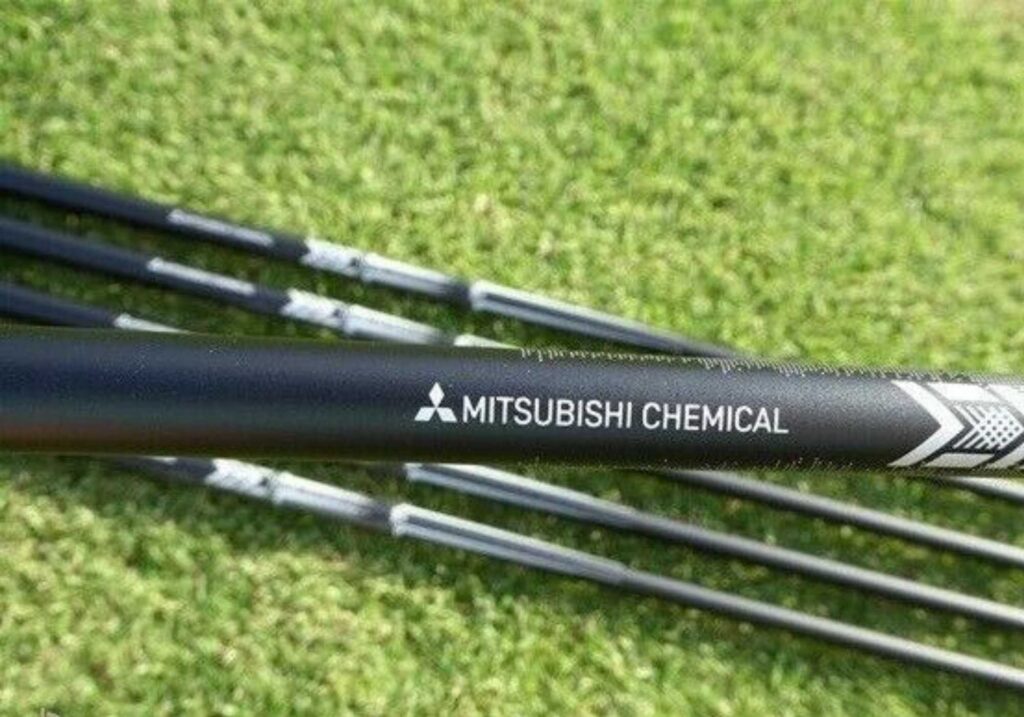
Yes! This is a common myth. Modern graphite shafts (like the Mitsubishi MMT or Fujikura Axiom) are engineered to be just as stable as steel. Many tour pros use heavy, stiff graphite shafts because they offer the stability of steel with the vibration-dampening benefits of graphite.
Who Should Choose Which?
Steel is Best For:
- Players with moderate to fast swing speeds.
- Golfers who prioritize accuracy, shot-shaping, and trajectory control over maximum distance.
- Those who prefer a heavier feel to stay connected with their swing tempo.
Graphite is Best For:
- Steel vs graphite irons for beginners: Graphite is often better for beginners as the lighter weight makes it easier to develop a smooth swing.
- Golfers with slower swing speeds looking for more distance and a higher launch.
- Anyone experiencing joint pain or fatigue during a round.
Final Thoughts: Get Fit
Choosing between steel and graphite iron shafts comes down to your swing speed, physical needs, and feel preference. Steel offers a classic, stable feel with ultimate control. Graphite delivers lightweight speed, higher launch, and joint-saving technology.
The best way to know for sure? Get fit by a professional. Testing both materials on a launch monitor will show you exactly which shaft optimizes your performance. If you are new to the process, check out our guide on Golf Club Fitting For Beginners: What It Is, How It Works, And Why It Matters.
Let’s Hear From You
Have you made the switch from steel to graphite? Did you notice a difference in your distance or joint pain? Let us know in the comments below!
Related Reading: