

You step into a bay. Ball on the mat. Club in your hands.
It feels fine… until you swing.
The ball peels right. Short. Weak.
We’ve seen this over and over. Not once or twice. Dozens of times in fitting bays, watching beginners hit the same miss and blame the wrong thing.
Most think it’s their swing.
It’s not.
The club is off.
This is where golf club fitting for beginners changes everything.
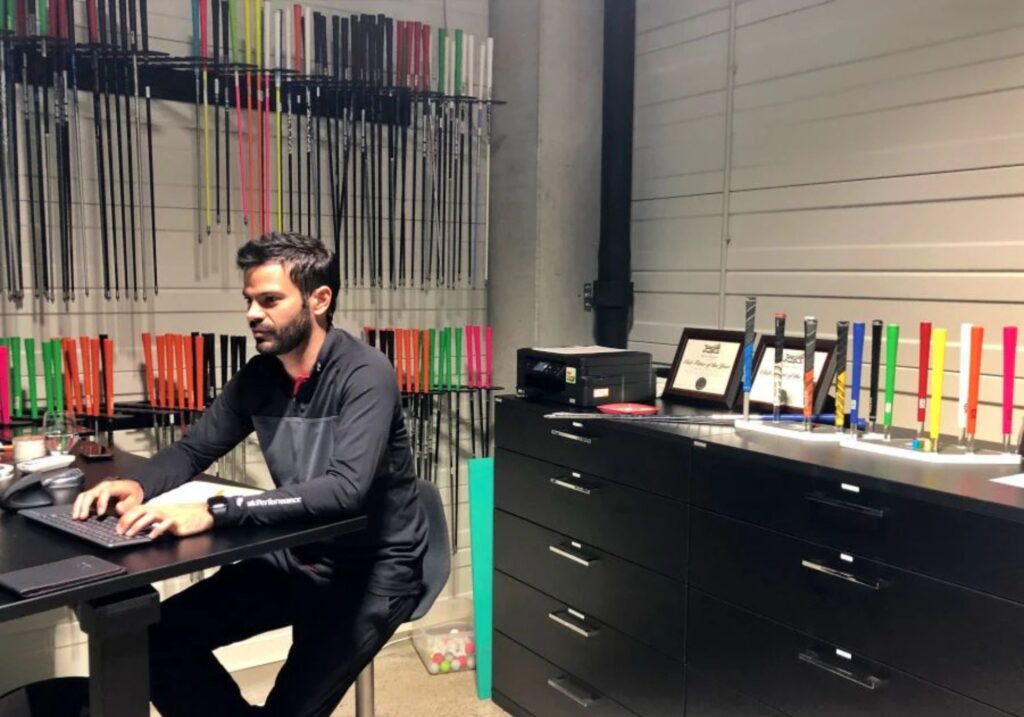
What is golf club fitting?
Golf club fitting matches your clubs to your swing.
Not your buddy’s swing. Not what’s on the rack. Yours.
Your height. Your arm length. Your speed. Your path. Your miss.
Every one of those shows up in ball flight.
We’ve watched golfers hit ten shots in a row with the wrong shaft. Same weak fade. Same low flight. Then we switch one variable. Same swing. Ball launches higher. Straighter. Carries farther.
Nothing changed but the club.
That’s the real answer to what is golf club fitting.
Why golf club fitting matters more than you think
You wouldn’t drive a car with the wrong tire pressure.
But most golfers play clubs that fight them.
That’s why contact feels random. That’s why misses feel big.
We’ve seen beginners start with heel strikes on every iron. The lie angle was off. We adjusted it. Center contact showed up almost instantly.
Not perfect. But repeatable.
That’s the shift.
A proper fitting helps you hit the ball longer. Straighter. More often.
Not by fixing your swing.
By removing what’s working against it.
What is involved in a professional golf club fitting?
You step into a controlled setup. No guessing.
Launch monitor running. Numbers tracking everything.
You hit real shots. The fitter watches ball flight and data at the same time.
Ball speed. Launch. Spin. Face. Path.
Then the testing starts.
Different shafts. Different heads. Small adjustments.
You swing again.
We’ve watched spin rates drop 1,000+ rpm just from a shaft change. Same player. Same swing. Totally different flight.
You feel it right away.
That’s what is involved in a professional golf club fitting.
How does a golf club fitting session work step-by-step?
You warm up first. Easy swings. Get loose.
Then baseline shots. Your current club. Your real numbers.
This is where most golfers get surprised. What you think you’re doing and what the data shows are not the same.
Then the fitter adjusts one variable at a time.
Shaft flex. Weight. Length. Lie angle.
You hit again.
Numbers shift.
Ball speed ticks up. Launch stabilizes. Spin tightens.
We’ve seen beginners gain 10–20 yards of carry just by moving into the right shaft profile. Not from swinging harder. From better delivery.
The process keeps going until the pattern improves.
How does golf club fitting work? – This is it!
What technology is used in modern golf club fitting?
You’re not guessing anymore. Trackman. Foresight. Flightscope.
These systems track everything.
Club path. Face angle. Ball speed. Spin. Carry.
You see your swing in numbers.
You see what changes actually do.
We’ve stood behind players who thought they hit down on the ball. Data showed the opposite. One small setup change. Numbers flipped. Strike improved.
No opinions. Just proof.
Golf club fitting for beginners: what actually changes
Beginners feel this the fastest. Your miss tightens. Your contact improves. Your bad shots aren’t as bad.
You’ll see players who couldn’t get the ball airborne with long irons suddenly launch it clean after adjusting shaft weight and length.
You stop slicing every driver. You stop chunking every iron. You start seeing a pattern.
That’s when confidence shows up.
In all honesty, that’s the real power of golf club fitting for beginners. We recommend it for everyone.
Is it worth getting fitted for clubs as a beginner?
Yes. And here’s the truth most people won’t say. If you learn with the wrong clubs, you build compensations.You start flipping. Reaching. Forcing.
Some players end up spending months trying to fix a slice that came from a shaft that was too stiff and too long. Once the club changed, the swing cleaned up fast.
A fitting doesn’t make you perfect.
But it removes the obstacles that slow you down.
That’s why it’s worth it.
How many strokes will a club fitting save?
It depends on how far off your current clubs are. But here’s what we’ve seen consistently.
Cleaner strikes. More fairways. More greens.
Fewer penalty shots.
Most beginners start seeing strokes drop as contact improves. Not overnight.
But faster than trying to fix everything through swing changes alone.
What are the benefits of getting custom fitted golf clubs?
You feel it first. The club sits right behind the ball. You swing without thinking.
The strike feels solid. Then you see it.
Ball flight tightens. Distances become predictable.
You’ll go from guessing yardages to trusting your numbers within a single session.
That trust changes how you play.
The four types of golf club fittings
Not all fittings are the same. Each one serves a different purpose depending on where you are.
1. Big-box store fittings
You walk into a retail store. Step into a bay. You get quick data. Swing speed. Launch. Spin.
The fitter recommends clubs from available stock. This works well for beginners who just need a baseline.
It’s fast. Low cost. Sometimes free with purchase.
But options are limited. Adjustments are basic.
2. Brand-agnostic fitting specialists
This is where you get depth. Private bay. Full setup. Premium tools.
You test multiple heads. Multiple shafts.
Everything is adjusted in real time.
We’ve spent time in these sessions. The difference is clear. You see cause and effect instantly.
It costs more. Takes longer.
But you get a true answer, not a guess.
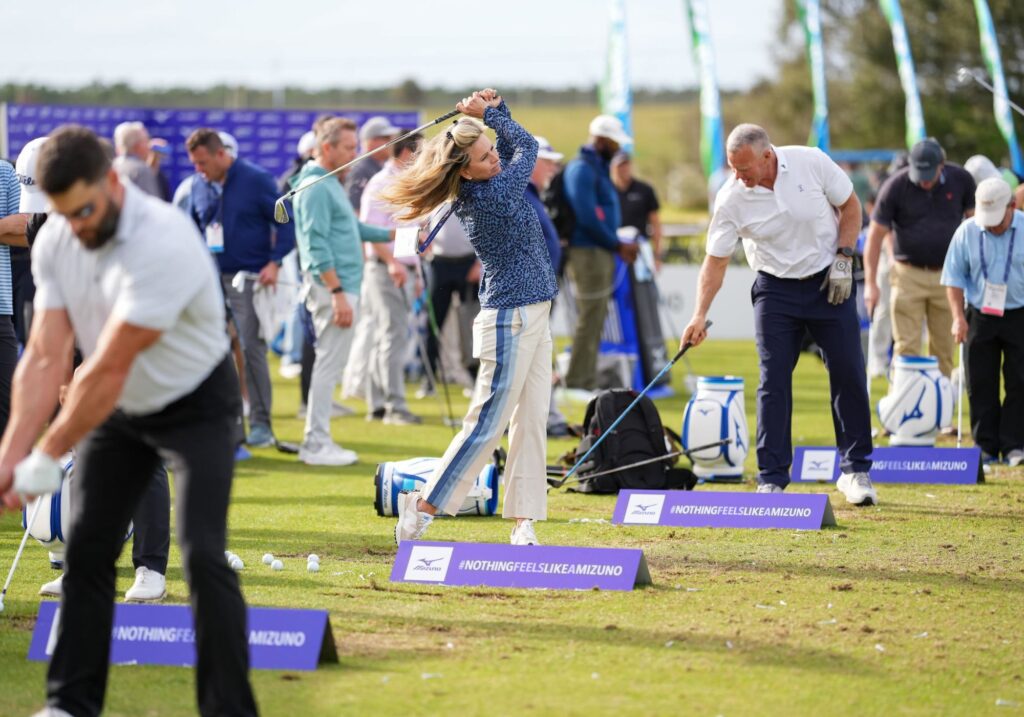
3. Demo day fittings
You show up. Hit new gear. Get a feel.
It’s fun. It’s fast. It’s free.
We’ve used these to test new drivers and iron models.
But it’s not a real fitting. You’re sampling, not dialing in.
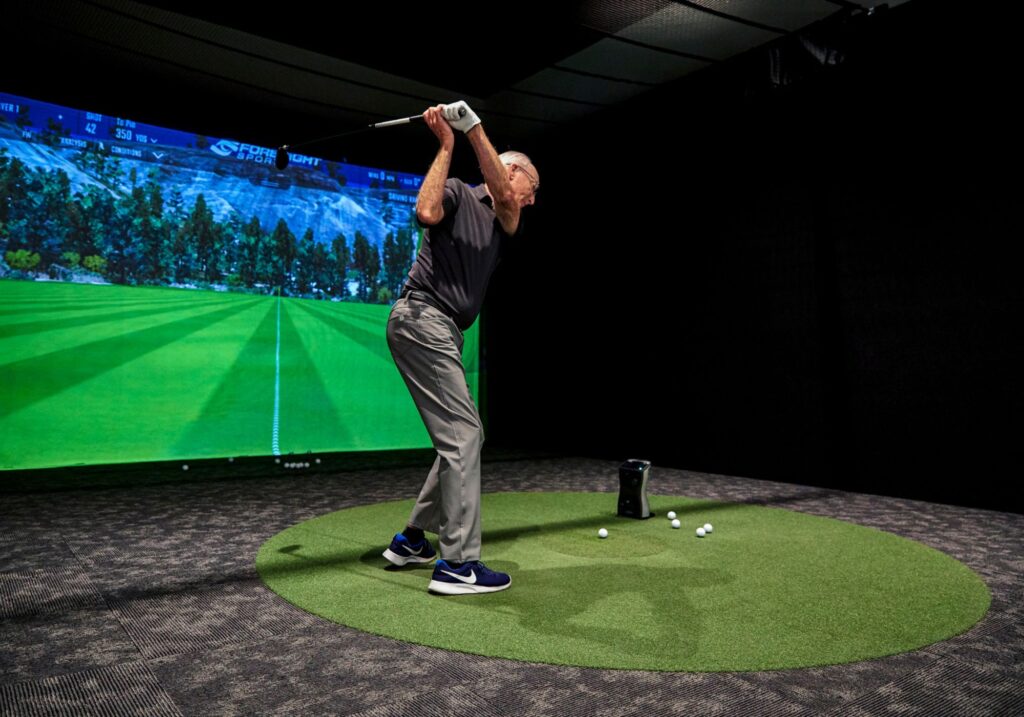
4. OEM specific fittings
You work with one brand. Their tools. Their system.
They know their products inside out.
We’ve seen great results here if you already trust a brand.
But you won’t compare across others.
That’s the trade-off.

How to choose the right golf club fitting
Start with your goal.
Do you want better contact right now? Or are you rebuilding your bag?
Then look at your budget. You can start simple and go deeper later.
Most beginners don’t need perfect. They need a club that stops fighting them.
Real expectations before you book
You will hit a lot of balls. Some swings will feel off. Some changes will feel strange.
That’s normal. The goal is not perfection. The goal is improvement you can repeat.
Every good fitting builds a baseline you can trust.
Why this guide matters
This isn’t theory.
This comes from watching real golfers go through fittings. Seeing bad setups get exposed. Seeing simple changes unlock better ball flight.
If you’re just starting, this is one of the fastest ways to make the game easier.
Not easy.
Easier.
The shift
You stand over the ball again. Same swing. Different club.
This time it launches straight. Climbs. Holds. Falls soft.
We’ve seen that look on a golfer’s face when it happens.
It’s not surprise. It’s relief.
You didn’t change.
The club did.
Go get fitted and feel the difference on your next swing.