

When golfers compare putters, the most common debate centers on milled vs insert putter face design. The feel is different. The sound is different. And many players believe performance is different.
But does choosing a milled vs insert putter face actually influence your scores?
For mid-handicap golfers trying to reduce three-putts and gain better distance control, understanding the difference between a milled vs insert putter face can help you make a smarter equipment decision.
What Is a Milled Putter Face?
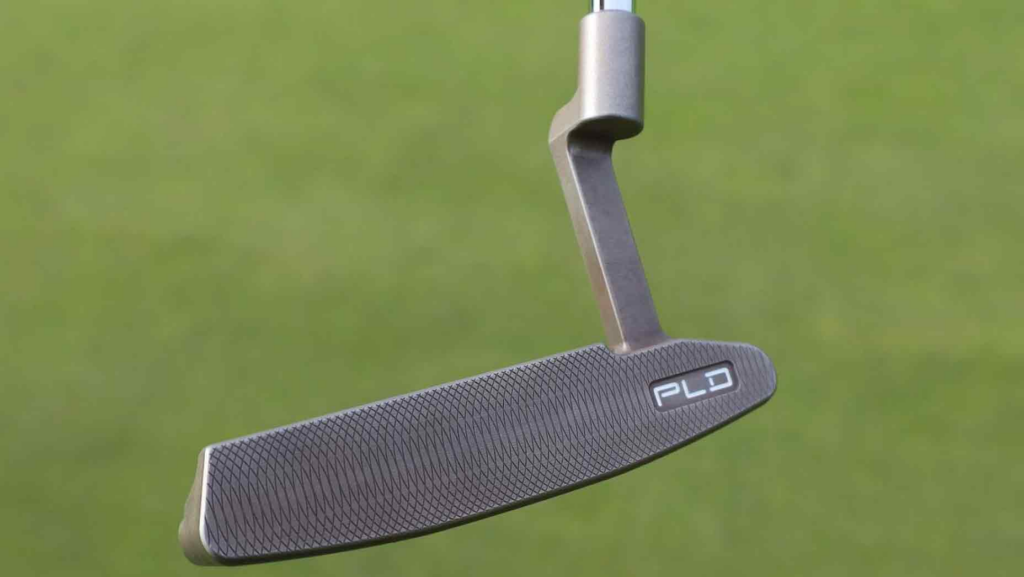
In the milled vs insert putter face discussion, a milled face refers to a putter that is carved from a single block of metal. There is no secondary material added to the striking surface. The face is precision-machined, often from stainless steel or carbon steel.
Brands like Scotty Cameron are known for producing premium milled designs.
When evaluating milled vs insert putter face performance, milled faces typically:
- Produce a firmer feel
- Deliver sharper sound at impact
- Provide immediate feedback on mishits
Golfers who prefer a crisp strike often lean toward the milled side of the milled vs insert putter face comparison because they can clearly sense strike quality.
What Is an Insert Putter Face?
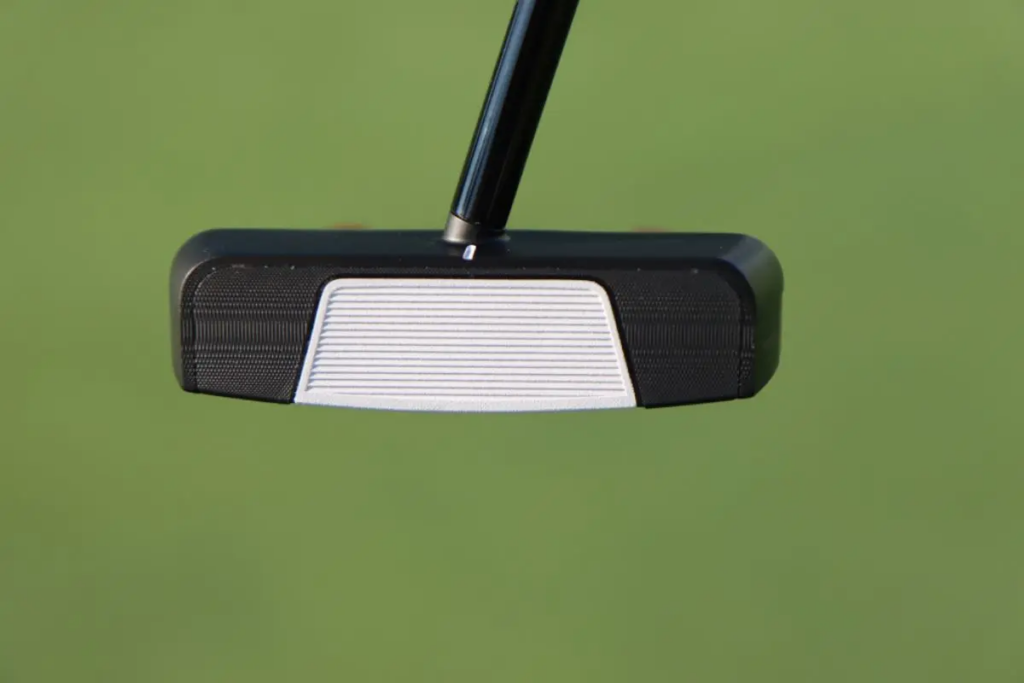
The other side of the milled vs insert putter face comparison is the insert design. An insert putter face incorporates a separate material — often urethane, polymer, or composite — into the clubface.
Odyssey helped popularize insert technology with its White Hot series.
In the milled vs insert putter face debate, insert designs generally:
- Feel softer at impact
- Reduce vibration
- Provide a more muted sound
Some golfers find that an insert face makes distance control feel smoother, particularly on faster greens. The softer sensation can encourage a freer stroke, which may help players who struggle with tension.
Does Roll Change in a Milled vs Insert Putter Face?

A major part of the milled vs insert putter face conversation revolves around roll. Some manufacturers claim inserts promote earlier topspin, while milled faces rely on precision machining to create consistent launch conditions.
Companies like TaylorMade have introduced grooved insert faces designed to optimize roll characteristics.
In reality, when comparing milled vs insert putter face performance, both can produce high-quality roll if struck in the center. The biggest difference tends to be feel and feedback, not dramatic roll improvements.
Which One Improves Distance Control?

When deciding between a milled vs insert putter face, the key factor is how you control speed.
Distance control depends more on strike consistency and tempo than face material alone. However, some golfers feel a firmer milled face gives them better awareness of contact quality. Others prefer the softer feel of an insert face because it reduces the sensation of “hitting” the ball.
In the milled vs insert putter face debate, neither design automatically eliminates three-putts. But the right feel can improve confidence — and confidence improves stroke consistency.
How Should Mid-Handicappers Decide?
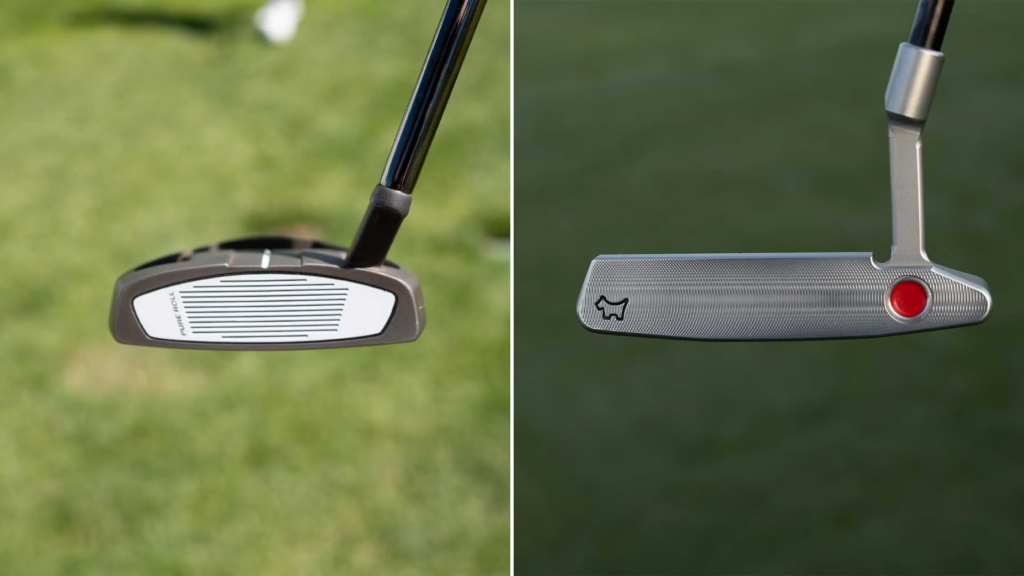
For mid-handicap golfers, the milled vs insert putter face choice should be based on personal response rather than marketing claims.
Ask yourself:
- Do you like crisp auditory feedback?
- Do you prefer a softer, quieter strike?
- Does firm impact make you decelerate?
- Does soft feel make you overhit?
Testing both sides of the milled vs insert putter face comparison on longer putts (20–40 feet) will tell you far more than rolling short three-footers in a store.
Final Thoughts on Milled vs Insert Putter Face
The milled vs insert putter face debate isn’t about which technology is superior. It’s about which one gives you more predictable pace and better feedback.
A milled face offers precision and clarity. An insert face provides softness and vibration dampening.
The best choice in the milled vs insert putter face discussion is the one that helps you control distance more consistently — because distance control is what truly lowers scores.
1 Comment
Insert putters show more wear over time, especially if you play on sanded greens a lot. For this reason, I prefer milled putters.