

Walk into any golf shop and you’ll see irons labeled as game-improvement, player’s distance, cavity-back, and blade. Each promises performance benefits, but the real question most golfers should be asking is simple: do game-improvement irons actually help you score better?
The answer depends less on the label and more on how consistently you strike the ball. Irons are designed to influence launch, forgiveness, and dispersion. When those characteristics match your swing, scoring becomes easier. When they don’t, even the best-looking irons can work against you.
Understanding the differences between these iron categories and how they affect scoring can help you make smarter equipment decisions.
What Makes Game-Improvement Irons Different
Game-improvement irons are built to make imperfect swings produce more playable results. They typically feature larger clubheads, wider soles, and perimeter weighting that shifts mass toward the edges of the club. This design increases the club’s moment of inertia (MOI), which reduces twisting at impact and helps maintain ball speed on off-center strikes.
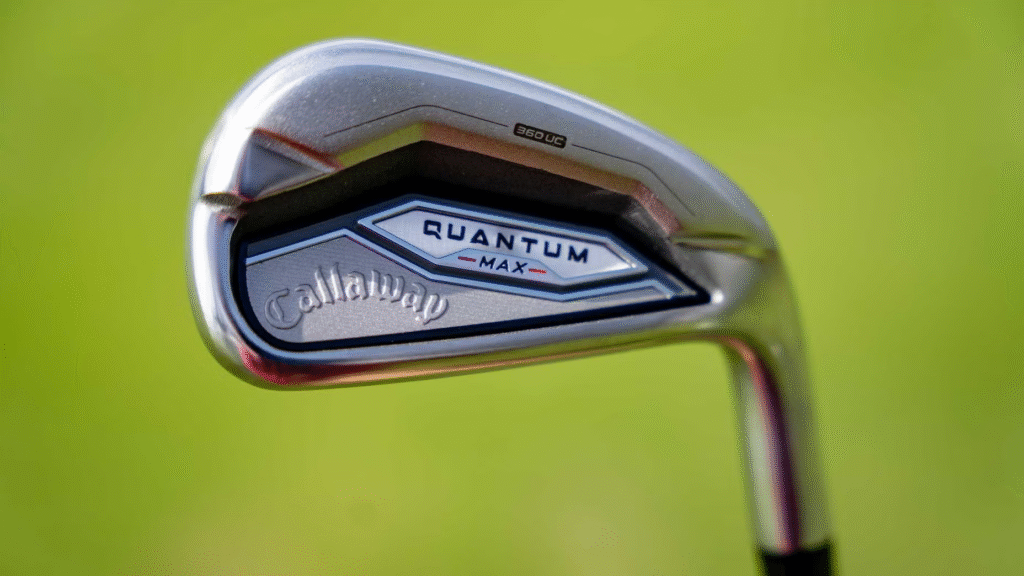
Pictured: Callaway Quantum Max Irons
The center of gravity is also positioned lower and deeper in the head. This promotes higher launch and longer carry distance, especially on shots struck low on the face. For golfers who struggle with consistent contact, this design can mean the difference between reaching the front of the green and coming up short. From a scoring standpoint, this matters because distance loss and directional misses are reduced. Shots that might have finished well short or offline with a smaller iron often remain in playable positions.
How Player’s Irons Compare
Player’s irons, including cavity-backs and player’s distance irons, are designed for golfers who strike the ball more consistently. These irons feature more compact heads, thinner soles, and less perimeter weighting than game-improvement models. This design gives golfers more precise control over trajectory and distance. With less built-in correction, the ball reacts more directly to the quality of the strike. Centered contact produces very consistent results, which allows skilled players to dial in distance control and dispersion.
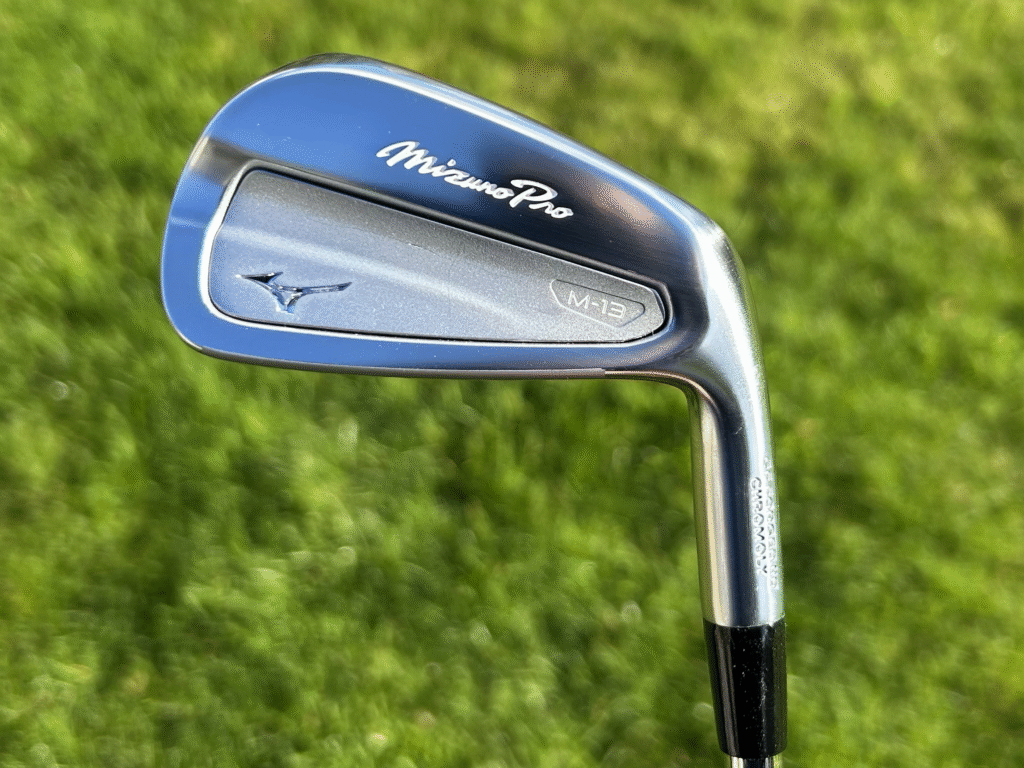
Pictured: Mizuno Pro M-13 Irons
However, the trade-off is reduced forgiveness. Off-center strikes tend to lose more ball speed and may curve more offline. For golfers with inconsistent contact patterns, this can lead to more missed greens and fewer scoring opportunities. The scoring advantage of player’s irons isn’t forgiveness, it’s precision. They reward consistency but don’t compensate as much for mistakes.
The Reality of Blades and Muscle-Back Irons
Blade irons, also known as muscle-backs, represent the most traditional iron design. These clubs have compact heads, minimal perimeter weighting, and prioritize feel and control above all else. When struck well, blades produce extremely consistent distance and trajectory. They also provide immediate feedback, allowing golfers to feel exactly where the ball contacted the face. This feedback can help skilled players refine their swing over time.
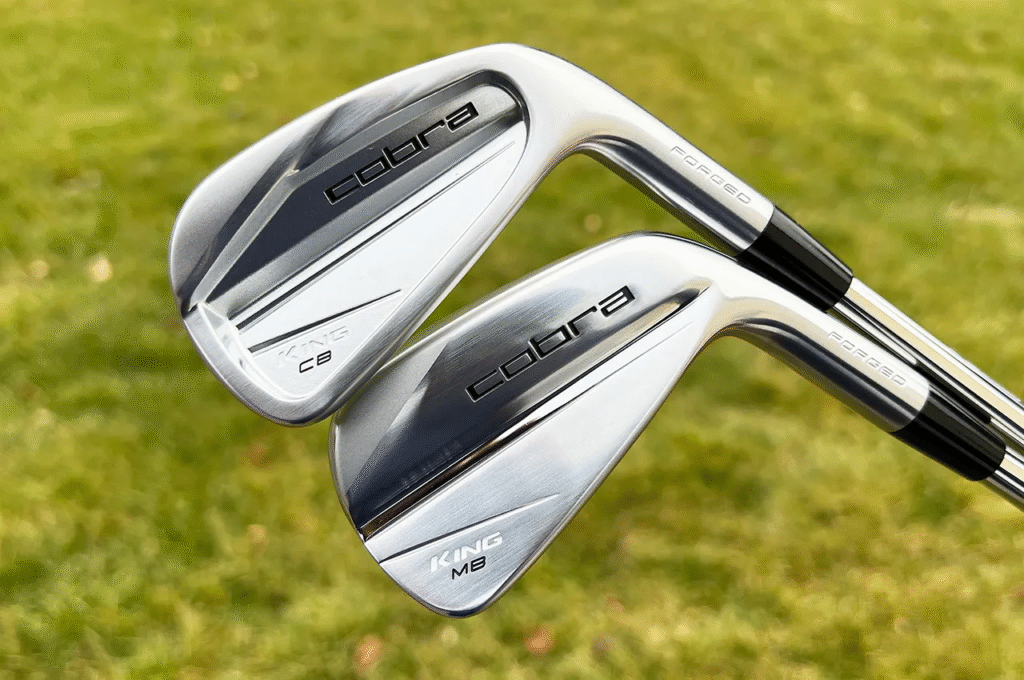
Pictured: Cobra KING CB/MB Irons
But blades are far less forgiving. Mishits lose more distance and directional control compared to cavity-back or game-improvement irons. For golfers who don’t consistently strike the center of the face, this can lead to more missed greens and higher scores. Blades don’t make scoring easier. They make feedback clearer. Only golfers with highly repeatable swings benefit from that trade-off.
Why Forgiveness Has Such a Direct Impact on Scoring
Scoring in golf is largely influenced by consistency. The ability to keep shots near the target even when contact isn’t perfect has a major impact on greens in regulation and proximity to the hole. Game-improvement irons help by narrowing the gap between your best swings and your average swings. A slight mishit might finish 10 yards short instead of 20. A shot struck toward the toe may still hold its line instead of missing the green entirely.
Over the course of a round, these smaller differences add up. Fewer missed greens mean fewer recovery shots. Fewer recovery shots mean fewer opportunities for double bogeys. This is where game-improvement irons provide their biggest scoring benefit. They don’t necessarily make your best shots better, but they make your worst shots less damaging.
Where Player’s Irons Can Help Lower Scores
For golfers who consistently strike the ball well, player’s irons can provide an advantage through improved distance control. Because these irons produce more predictable ball speed on centered strikes, golfers can control carry distances more precisely.
This precision becomes especially valuable on approach shots. When you can reliably hit a 7-iron a specific distance, it becomes easier to choose the correct club and avoid short-siding yourself.
In this case, scoring improves not because of forgiveness, but because of tighter dispersion and more predictable outcomes.
What Actually Matters Most
The iron that helps you score best is the one that produces the most consistent results across your typical strike pattern, not just your perfect swings. Golfers who score in the mid-80s to 100 often benefit from game-improvement irons because they reduce the penalty of imperfect contact. Golfers in lower handicap ranges, who strike the ball more consistently, may benefit more from the precision and feedback of player’s irons.
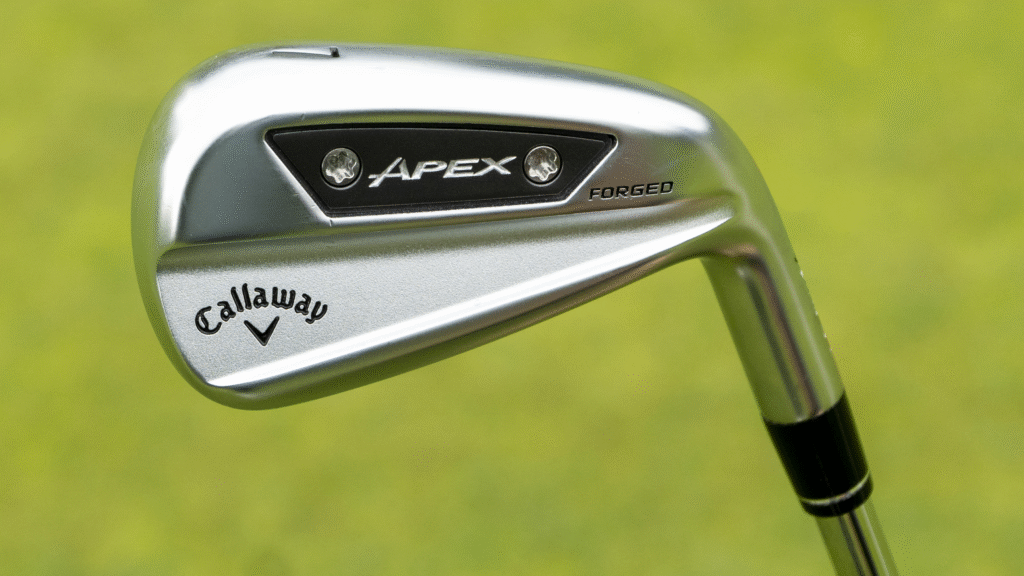
Pictured: Callaway Apex Ai300 Irons
The key factor isn’t swing speed. It’s strike consistency. Game-improvement irons help reduce variability. Player’s irons help refine precision. Blades maximize feedback and control but require the most consistency.
The Bottom Line
Game-improvement irons are often better for scoring because they reduce the severity of mistakes. By preserving ball speed and limiting dispersion on off-center strikes, they help golfers keep more shots in play and closer to their intended targets.
Player’s irons and blades can offer scoring advantages as well, but only when strike quality is consistent enough to take advantage of their precision. The goal isn’t to play the irons that look the best. It’s to play the irons that produce the most predictable results. When your equipment matches your swing tendencies, scoring becomes more consistent, and consistency is what ultimately lowers your scores.
1 Comment
Check out Tour Edge Max irons?