
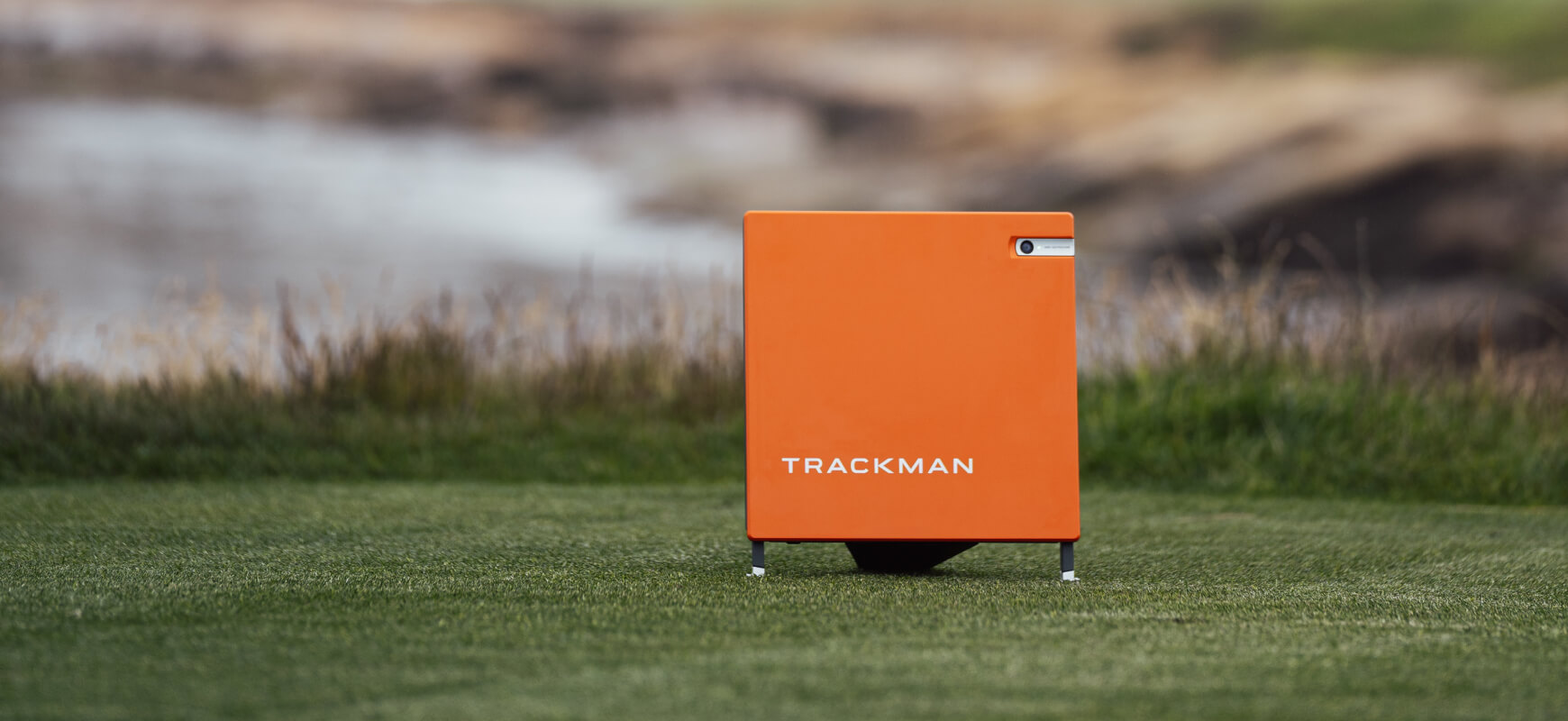
Walk into any fitting bay or indoor simulator today and you’ll see numbers everywhere. Carry distance. Ball speed. Launch angle. Spin rate. And that is just scratching the surface.
The modern launch monitor has become one of the most talked-about training tools in the game. But for mid-handicap golfers trying to break 90 or turn the occasional 82 into a consistent score, the real question isn’t whether the technology is impressive.
It’s whether it actually helps you score.
What a Golf Launch Monitor Actually Measures
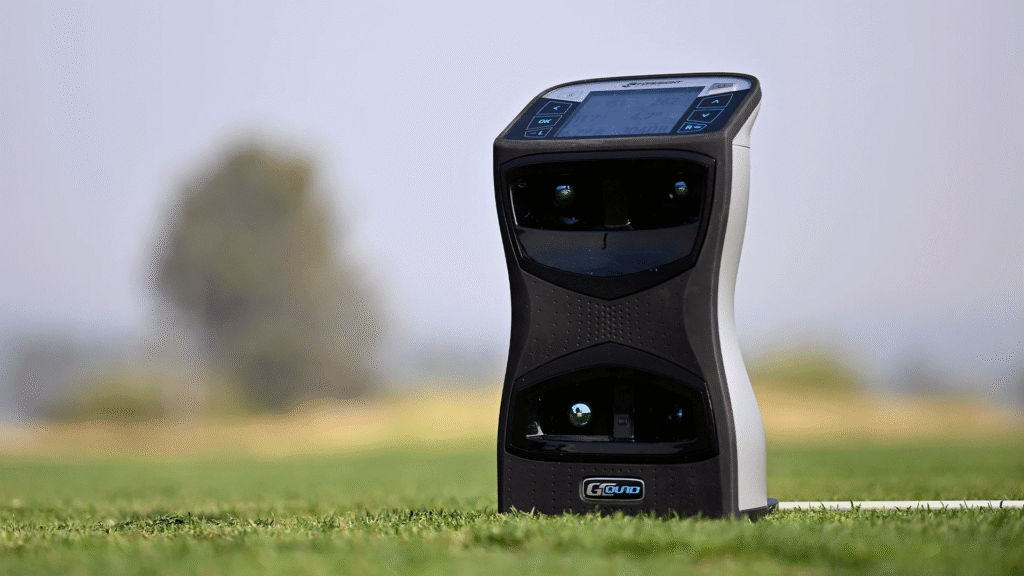
A quality golf launch monitor captures data such as:
- Ball speed
- Club speed
- Launch angle
- Spin rate
- Carry distance
- Total distance
- Direction and dispersion
Higher-end systems even track face angle, club path, attack angle, and impact location. Brands like TrackMan, Foresight Sports, and Garmin have made this data more accessible than ever. Not just for tour players, but for everyday golfers.
The real issue isn’t access to data. It’s understanding which numbers actually matter for scoring.
Where Mid-Handicappers Usually Lose Strokes
Most mid-handicap golfers (roughly 10–20 handicap) don’t struggle because they lack swing speed. They struggle because of inconsistencies with ball striking, distance control with irons, excessive driver spin, poor wedge gapping and too many three putts. What a launch monitor can help with is exposing these issues quickly.
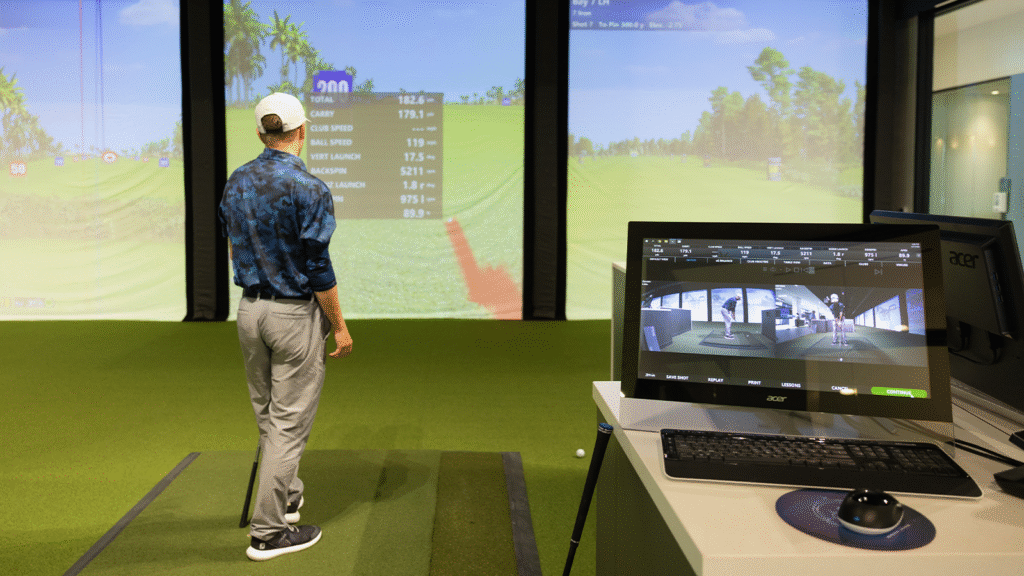
For example, many 15-handicap players believe they hit their 7-iron 165 yards. The launch monitor often reveals it carries as short as 145 yards to as long as 160, with a large dispersion pattern. That inconsistency, not raw distance, is what costs greens in regulation and leads to bogeys.
How a Golf Launch Monitor Actually Helps
For a mid-handicapper, the biggest benefits of a golf launch monitor are:
Accurate Carry Distances
Knowing your true carry numbers tightens club selection. Instead of guessing between clubs, you make decisions based on real data. That alone can eliminate multiple short-sided misses per round.
Gapping Your Wedges
Many mid-handicappers unknowingly have 15-yard gaps between scoring clubs. A golf launch monitor session can show whether your pitching wedge goes 125 and your gap wedge goes 105, leaving you guessing from 115. Proper gapping directly translates to better scoring inside 130 yards.
Driver Optimization
Excessive spin and launch issues are common. If your driver spins at 3,800+ rpm, you’re losing distance and control. With launch data, you can adjust loft, shaft, or tee height and see immediate feedback.
Strike Awareness
Seeing ball speed relative to club speed highlights strike efficiency. A mid-handicapper might swing fast but lose distance due to off-center contact. That’s a practice focus you can’t always diagnose on the range alone.
Where Launch Monitors Can Hurt
It’s not all sunshine and rainbows, though.
Mid-handicappers sometimes become obsessed with numbers, chasing higher club speed or ideal spin rates instead of focusing on dispersion and scoring outcomes. The goal isn’t to hit a “perfect” 7-iron with tour-level spin. The goal is to hit more greens and avoid penalty strokes.
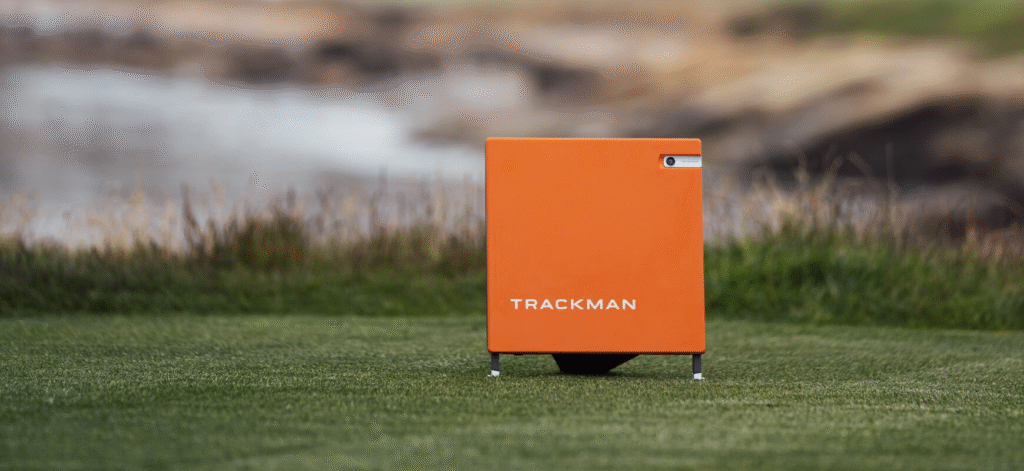
It is important to remember that a golf launch monitor is a feedback tool and not a scoring guarantee. Without guidance from a coach or clear practice goals, data can become noise.
So, Do Launch Monitors Actually Help?
Yes, but with a few caveats.
For mid-handicappers, the most valuable uses of a golf launch monitor are:
- Dialing in true carry distances
- Tightening dispersion patterns
- Improving wedge gapping
- Optimizing driver launch and spin
- Tracking measurable improvement over time
If you treat the technology as a scoring assistant rather than a vanity metric machine, it can accelerate improvement dramatically. If you treat it like entertainment, it won’t positively impact your handicap.
The Bottom Line

A golf launch monitor won’t fix poor course management. It won’t eliminate mental mistakes. And it won’t automatically lower your handicap. But it will tell you the truth about your ball flight. And for mid-handicappers who want to score better, the truth, especially about distance control and dispersion, is often the fastest path to lower numbers.