
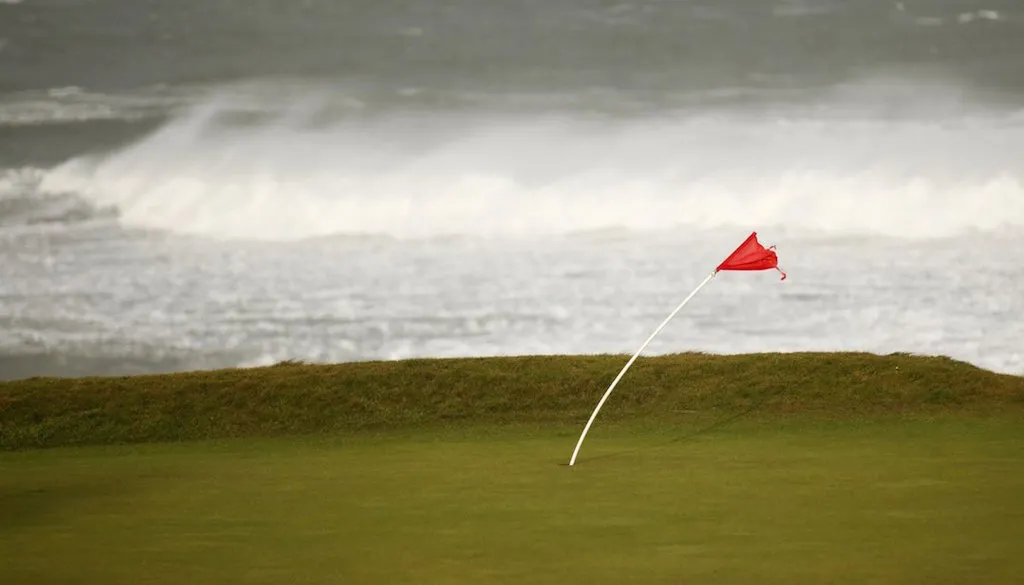
Learning how to play golf in the wind is one of the most important skills a golfer can develop. Wind exposes weaknesses, magnifies mistakes, and forces you to rely on control instead of raw ability. It can turn a routine round into a frustrating battle, or it can become an opportunity to separate yourself from other golfers who don’t know how to adjust.
The difference isn’t talent. It’s preparation, decision-making, and understanding how the wind affects every part of ball flight. Golfers who understand how to play golf in the wind don’t try to overpower conditions. They work with them.
And that shift in mindset can protect your score even on the toughest days.
Accept That the Wind Changes Everything
One of the biggest mistakes golfers make is pretending the wind doesn’t exist. They swing harder, aim directly at pins, and expect their normal ball flight to hold its line. It won’t.
Wind affects distance, curvature, trajectory, and roll. Into the wind, shots fly shorter and spin more. Downwind, the ball flies farther but becomes harder to control. Crosswinds exaggerate curvature and punish poor contact. Understanding how to play golf in the wind starts with accepting that your normal expectations no longer apply. Instead of fighting for perfect shots, the goal becomes hitting functional shots that keep the ball in play and avoid big mistakes.
Club Selection Matters More Than Swing Speed
When facing a strong wind, your first instinct might be to swing harder. That usually makes things worse. Swinging harder increases spin, which gives the wind more influence over the ball. Golfers who know how to play golf in the wind rely on smarter club selection instead of extra effort. Taking one or two more clubs and making a smooth, controlled swing produces a lower, more stable ball flight. This reduces spin and keeps the ball from ballooning. A controlled swing with more club will almost always outperform a harder swing with less club when the wind is a factor.
The chart below represents general rules of thumb golfers use based on community knowledge and testing; exact results will vary based on club, spin, and your launch conditions, but these adjustments are widely accepted among instructors and data analyses for typical swing speeds.
| Wind Speed (mph) | Headwind Adjustment (Add) | Tailwind Adjustment (Subtract) |
|---|---|---|
| 5 mph | ~5–10 yards extra carry | ~5 yards less carry |
| 10 mph | ~10–20 yards extra carry | ~10 yards less carry |
| 15 mph | ~15–30 yards extra carry | ~15 yards less carry |
| 20 mph | ~20–40+ yards extra carry | ~20–40 yards less carry |
Ball Position and Trajectory Control

Trajectory becomes critical when conditions are windy. Higher shots are more affected by wind, while lower shots remain more stable and predictable. A simple adjustment can make a significant difference. Playing the ball slightly farther back in your stance helps produce a lower launch. This keeps the ball under the strongest part of the wind and improves control. Golfers who understand how to play golf in the wind use trajectory intentionally instead of relying on their stock ball flight.
You don’t need to hit every shot low, but having the ability to do so when needed can save multiple strokes per round.
Adjust Your Targets, Not Just Your Swing
Wind doesn’t just affect how far the ball travels. It also affects where it finishes. Aiming directly at your target without accounting for wind drift often leads to missed greens and difficult recoveries. When playing in crosswinds, it is critical to account for how that will impact the ball. For example, with a left to right wind, aiming to the left of your target will help offset the impact that wind will have on your golf ball. This also requires strong discipline. You need to TRUST your aim and alignment, even though it looks wrong.
Course Management Becomes Even More Important
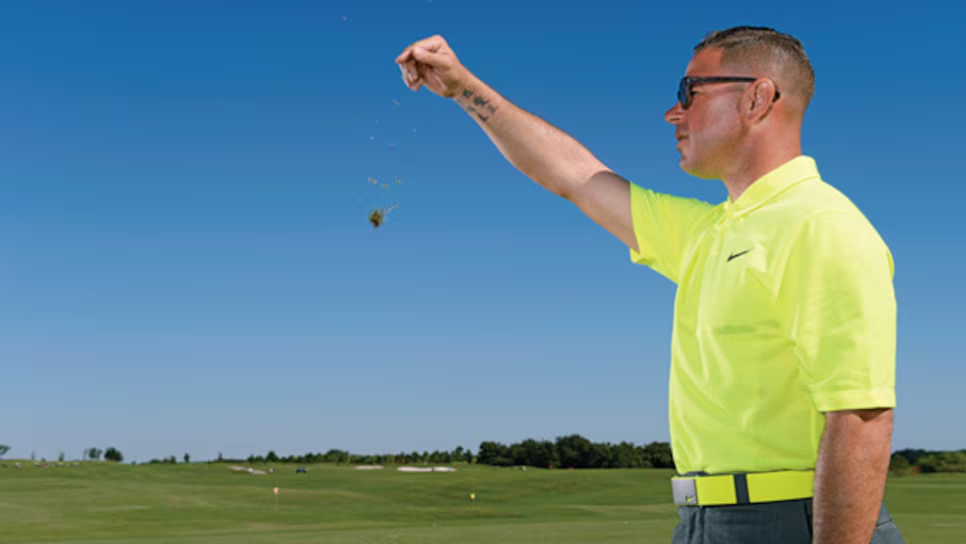
Wind amplifies poor decisions. Aggressive targets become riskier, and recovery shots become more difficult to execute. Golfers who manage the course well in calm conditions gain an even bigger advantage in the wind. The focus should shift toward larger targets, safer landing areas, and avoiding hazards that come into play with wind influence. Understanding how to play golf in the wind means recognizing when to prioritize safety over aggression. The goal isn’t to hit perfect shots. It’s to avoid the mistakes that lead to double bogeys or worse.
Your Short Game Can Save Your Round
Wind doesn’t only affect full swings. It also creates challenges around the green, especially with distance control and feel. Lower trajectory chip shots are often more reliable in windy conditions. Keeping the ball closer to the ground reduces unpredictability and improves consistency. Putting also requires adjustments, as strong gusts can subtly influence speed and direction. Golfers who understand how to play golf in the wind recognize that solid short game execution becomes even more valuable when greens are harder to hit.
Patience Is the Ultimate Advantage

Wind creates uncomfortable situations, and frustration can quickly follow. The golfers who score well in these conditions aren’t immune to mistakes. They simply stay patient and avoid compounding them. You will hit imperfect shots. The key is minimizing the damage and staying committed to smart decisions. Knowing how to play golf in the wind means staying mentally steady and focusing on execution rather than outcome.
Wind doesn’t have to destroy your score. When you adjust your expectations, control your trajectory, and make smarter decisions, you can turn difficult conditions into an opportunity. And when other golfers begin to struggle, you’ll have the confidence and skill to keep your round on track.