

If you’re new to golf, chances are you’re focused on one big thing: getting better. You want more solid shots, lower scores, and fewer moments where you wonder what just happened.
But here’s the thing—progress in golf is rarely obvious. It’s slow. It’s full of ups and downs. Some days you’ll stripe it. Others, you’ll wonder if you’re actually regressing.
That’s why tracking your progress is one of the smartest things any beginner can do. It gives you real feedback, helps motivate your practice, and shows you just how far you’ve come—even when it doesn’t feel like it.
Here’s why it matters—and how to start tracking in a way that actually helps.
Why Tracking Matters
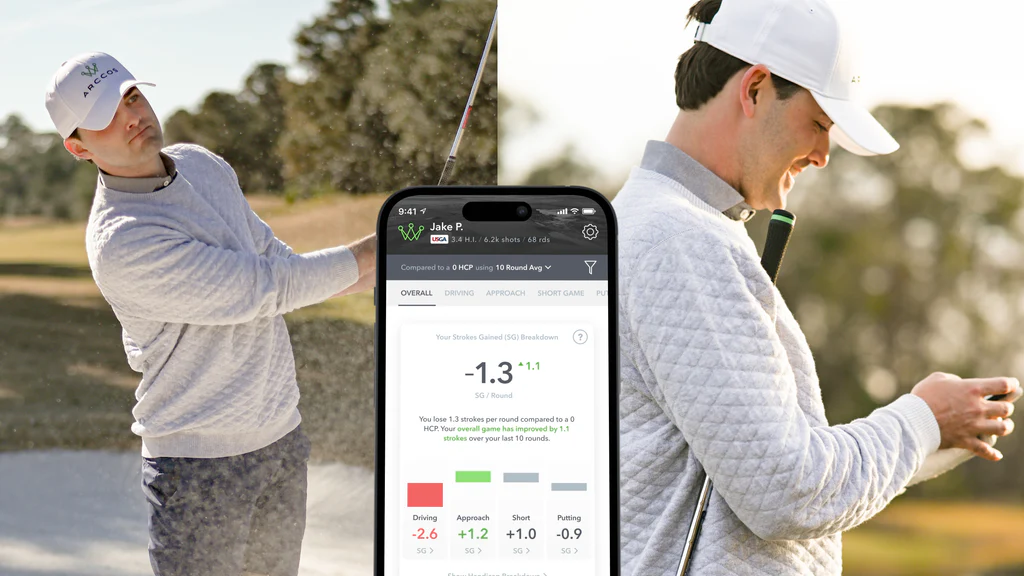
It Shows You What’s Working (and What’s Not)
When you track your stats or tendencies, you start to see patterns:
- Are you missing most of your fairways right or left?
- Do you lose more strokes putting or chipping?
- Are your blow-up holes coming from penalties or poor course management?
Instead of guessing what to work on, your game starts telling you directly. That makes your practice more focused and effective—no more beating balls at the range without a plan.
It Keeps You Motivated
Golf improvement doesn’t follow a straight line. Tracking lets you zoom out and see long-term trends, not just one frustrating round.
You might not notice that you’re three-putting less often. Or that you’ve gone from hitting 2 greens per round to 5. Those small wins are easy to miss if you’re not keeping tabs.
Progress = motivation. And motivation keeps you coming back—even on the tough days.
It Builds Confidence Over Time

Confidence in golf comes from evidence. When you see improvement on paper—fairways hit, putts made, better contact—it reinforces that what you’re doing is working.
Tracking becomes your personal highlight reel. And the next time you’re on the tee wondering if you’re getting any better, you can pull up the numbers and remind yourself: Yes, I am.
How to Track Your Progress (Without Going Overboard)
You don’t need a launch monitor or complex spreadsheet to get started. Keep it simple and focus on a few key areas of your game.
Basic Stats After Each Round
Start by jotting down:
- Fairways hit
- Greens in regulation (GIR)
- Number of putts
- Penalty strokes
- Score per hole
This takes 2 minutes to record after your round and gives you immediate insight into your strengths and weaknesses.
You can use a scorecard, notes app, or a stat-tracking app like The Grint, 18Birdies, or Golfshot. Some even give you strokes-gained-style feedback to compare your performance to players of similar skill.
Track by Goal or Skill Area
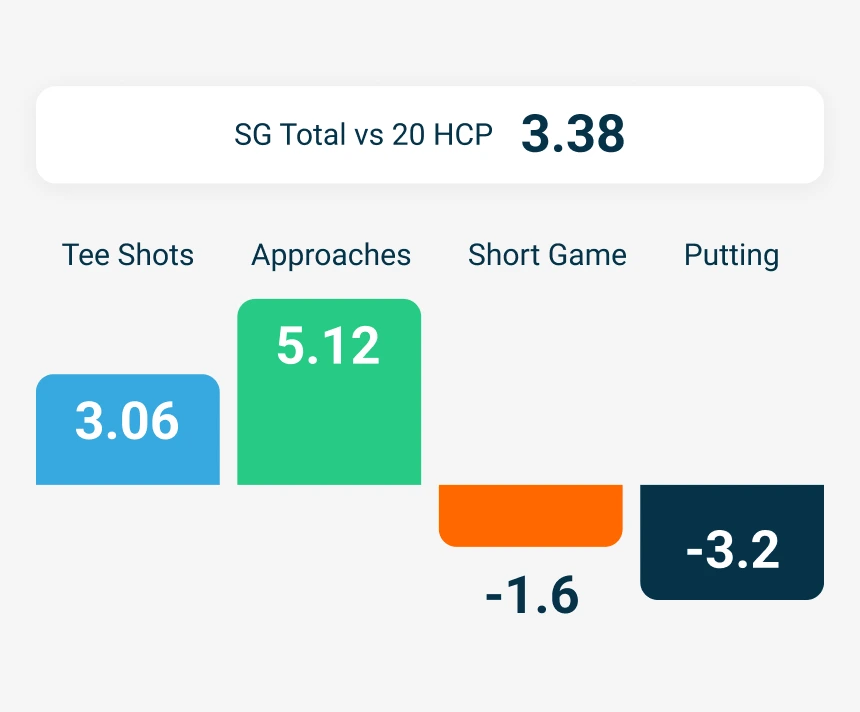
Set a specific goal—like reducing three-putts or improving your driving accuracy—and track just that for a few weeks.
If you’re working on putting, track:
- Total putts per round
- Three-putts per round
- Putts inside 6 feet
Focusing on one area at a time helps you stay locked in and see real progress faster.
Use Video or Photo Check-Ins
Every few weeks, take a short video of your swing. It might feel awkward, but it’s a great way to visually see how your mechanics are evolving.
You’ll be surprised how different your swing looks from month one to month six—even if it doesn’t feel like much has changed.
Keep a Practice Journal
Write down what you worked on each practice session and how it felt. Note what drills helped, what cues clicked, and what didn’t.
This builds a library of feel-based feedback you can come back to when something starts to go sideways. Think of it as your personal blueprint.
What NOT to Track (At Least for Now)
Don’t get bogged down trying to track every stat under the sun. You’re not prepping for a Tour event—you’re learning the game.
Avoid:
- Obsessing over swing speed or distance early on
- Comparing your stats to pros or low handicaps
- Judging your progress solely by score
Focus on consistency, contact, and confidence. The scores will follow.
Final Thoughts
Golf is a marathon, not a sprint—and progress is often invisible in the moment. But when you track the right things, you start to connect the dots.
You’ll know what to work on. You’ll see where you’re getting better. And you’ll give yourself a mental boost when you need it most.
So if you’re serious about improving, make tracking part of your routine. It doesn’t need to be perfect—just consistent. After all, you can’t manage what you don’t measure. And in golf, a little insight goes a long way.