
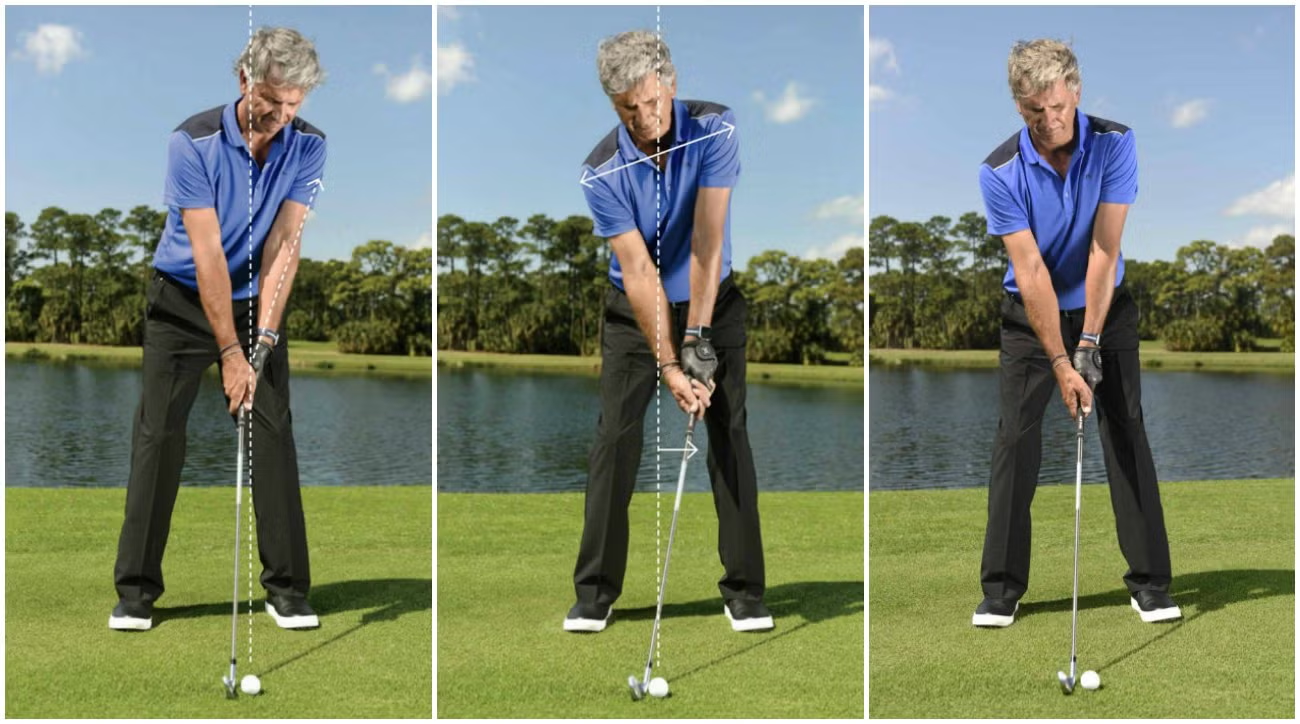
Golf isn’t just about power or how perfect your swing looks, it’s decisively about what you do wrong, too often. Every round, small mistakes stack up into big numbers. The good news? Many of the most common stroke-eating mistakes are fixable with awareness and simple adjustments. If you recognize some of these in your game, using the fixes here can quickly shave off strokes.
Poor Setup, Posture, and Alignment
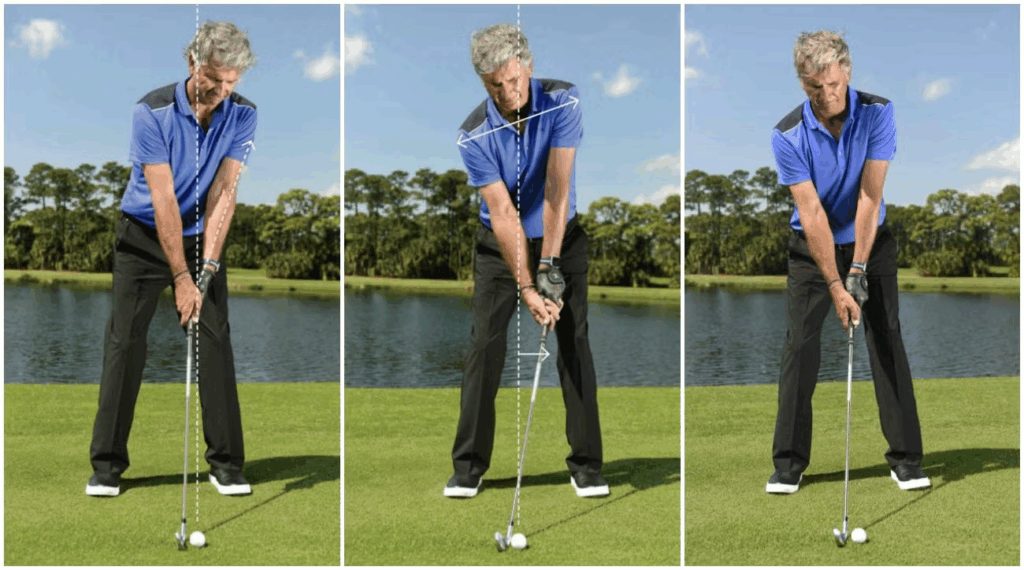
Before swing speed, before grip, even before you breathe, you need a solid base. Poor posture, inconsistent stance width, and misaligned feet, hips, or shoulders can upset your swing path, throw off your impact, and lead to misses.
How to avoid it:
- Always check your alignment using an intermediate target just in front of the ball. Choose something visible and aim your clubface at that spot, then set your body parallel behind it.
- Use alignment sticks or clubs laid on the ground during practice to train your eyes and body (feet, hips, and shoulders) to square up.
- Maintain posture: slight knee flex, tilt from the hips, spine angle consistent. Use mirrors, video, or feedback to reinforce it.
Over-Swinging
Many amateurs try to overpower their way into better shots, especially with driver. Swinging hard often leads to loss of balance, slack rotation, casting (premature release of wrists), and wild mishits. All that effort just costs strokes in consistency.
How to avoid it:
- Think smooth-tempo over raw speed and pace your swing so you finish balanced. If you’re falling forward or back, you’ve overdone it.
- Practice half-swings or ¾-swings with control before ramping up length. Let speed come from good mechanics, not brute force.
- Use drills that emphasize lag, wrist hinge, and proper sequence (hips first, then arms).
Neglecting Short Game
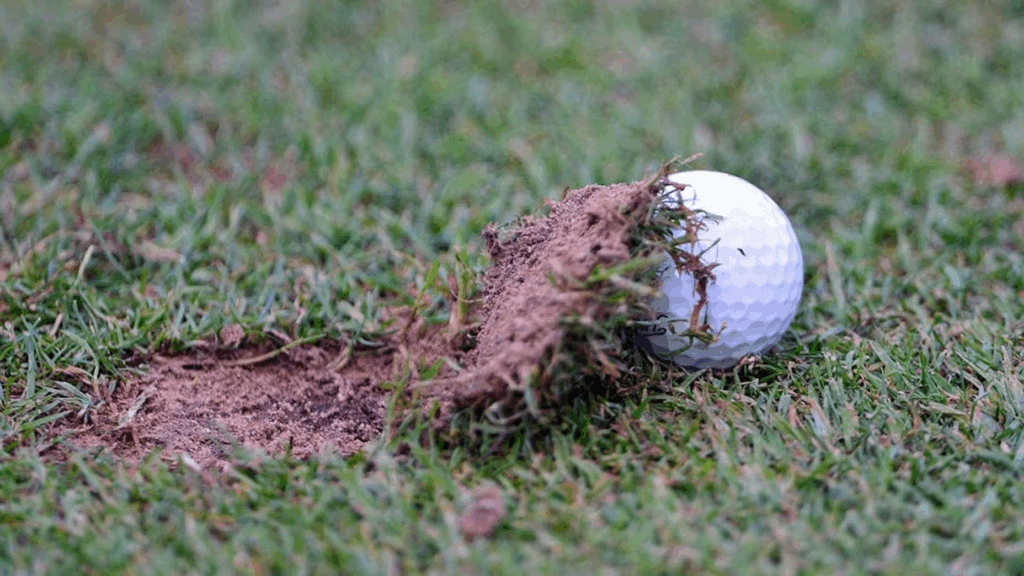
Statistics all over amateur golf point to one common weak spot: putting and chipping. Many golfers spend most of their range time smashing balls with irons and driver, then finish rounds regretting missed three-putts or flubbed chips. The short game usually costs far more strokes than driver mishits.
How to avoid it:
- Shift more practice time into putting, chipping, and pitch shots. Even 50% more time in those zones can yield big returns.
- Drill fundamentals like pace control (especially for longer putts) and confidence in short ones (3-5 feet).
- Practice from different lies around the green (tight rough, bare footing, uphill/downhill) to widen your shot versatility.
Poor Course Management / Risky Shot Choices
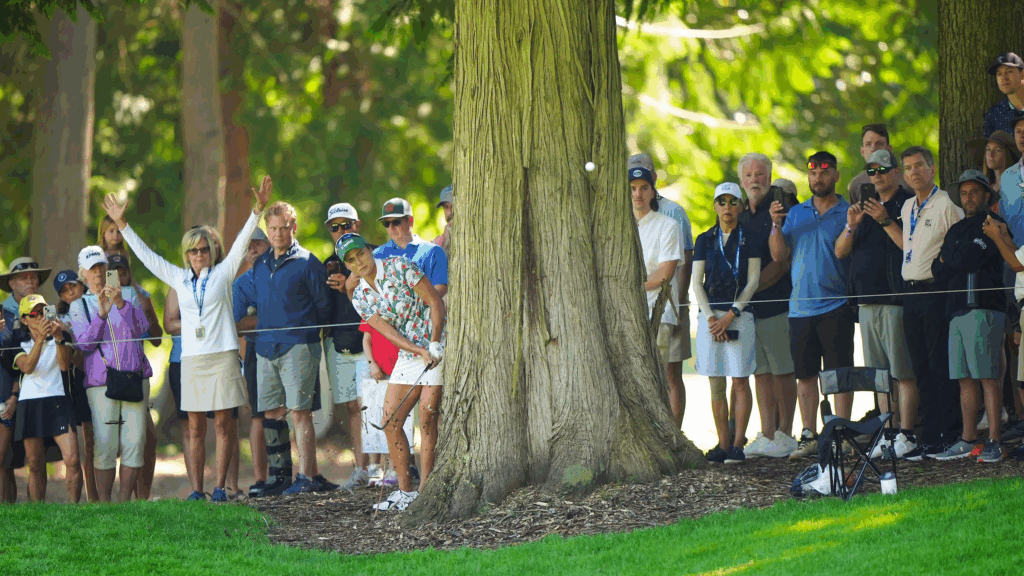
Another way amateurs bleed strokes is by trying “hero shots” when safer plays make more sense. A tee shot aimed directly over trouble, attacking pins tucked behind hazards, or ignoring hazards altogether. All these can be a disaster waiting to happen and lead to potential penalties or big numbers.
How to avoid it:
- Know your carry distances. On the range, pick targets at 80, 100, 120, etc., yards. Test which clubs carry which yardages so you can judge confidently on the course.
- Play to your strengths. If your driver is inconsistent, tee off with a fairway wood or hybrid when narrow or danger lurks.
- Pick safer targets when needed. Sometimes the middle of the green is a better aim than going straight at a tucked pin behind trouble.
Weak Mental Game and Poor Decision Making
When the game already presents a challenging shot, many amateurs make things worse by letting their minds get in the way. Overthinking, second-guessing the club choice, or skipping a reliable pre-shot routine often leads to hesitation and poor execution. Even solid swings can unravel if you’re not fully committed. On top of that, smart distance control, weighing risk versus reward, and staying calm under pressure play just as big a role in scoring as your mechanics.
How to avoid it:
- Build a consistent pre-shot routine: visualize the shot, pick your target, commit, swing.
- Eliminate doubt before you swing. If you’re second-guessing, adjust to something safer.
- Practice under pressure (even self-imposed): simulate time limits, keep score, force yourself to make decisions before hitting.
Final Thoughts
These mistakes might seem small, but in golf, small leaks sink ships. Misaligned posture, swinging out of control, ignoring the short game, poor risk assessment, and mental fog each cost strokes, often several per round. The fix isn’t endless hours of range work or complex swing overhauls. It’s about identifying which of these is happening in your game, then applying the fix with purpose.
Take one or two of these areas the next time you practice, maybe alignment and decision-making, or tempo and chipping. Focus there until you see measurable improvement, and you’ll be surprised how much those strokes drop without changing everything else.