

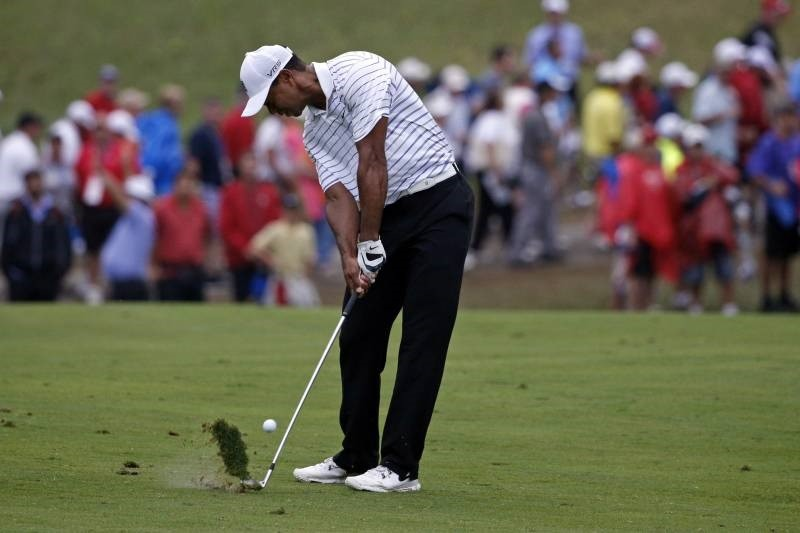
When golfers talk about “compressing” their iron shots, they are usually referring to creating a solid strike where the ball is hit before the lowest point of the swing arc, often with forward shaft lean and a firm, controlled wrist position at impact. Compression isn’t about hitting harder. It’s about striking the ball first, taking a clean divot after, and utilizing loft reduction at impact to create efficient, penetrating flight.
Compression is important for every golfer because it maximizes distance, improves shot consistency, and enhances control. Poor compression results in thin, bladed shots or “fat” shots (hitting turf before ball), both of which cost you distance and accuracy. When you compress consistently, you get better launch, more spin from irons, and more reliable performance under pressure. It’s what distinguishes crisp iron play from erratic feel shots.
What Physically Enables Compression

To compress the ball properly, several impact and setup features must be present. Check out the list below and take notes of how many you are currently executing efficiently on.
- Forward shaft lean at impact: Your hands should be slightly ahead of the club-head, delofting the club face and allowing the club to move down-through the ball.
- Ball first, then turf (“ball-then-turf” contact): The low point of your swing arc must fall just after the ball. The club should make contact with the ball before touching the ground.
- Proper ball position: The ball should be placed slightly forward of dead center for mid irons, but not so far forward that the low point moves behind the ball.
- Weight shift and body rotation: Transferring weight to the lead foot and rotating the hips/chest properly helps drive the impact and keeps your body in position to deliver a descending strike.
- Lead wrist flexion: Having the lead wrist somewhat bowed (flexed) at impact helps reduce dynamic loft, maintaining compression.
Drills to Improve Compression for Beginners
Here are several drills designed to help you develop the feel and mechanics of compression. Each drill builds toward better contact, more control, and more solid iron shots.
Towel Compression Drill
What it does: Trains forward shaft lean and prevents flipping with wrists or losing loft at impact.
How to do it:
- Place a towel on the ground about one grip’s length behind the ball.
- Set up normally.
- Take swings trying not to touch the towel with the club. This forces your low point forward of the ball.
- Start with half swings, then build to full shots once you feel the compression.
- Check whether turf after ball is consistent and the ball flight is more penetrating.
Front Foot Pressure Drill
What it does: Ensures weight shift toward lead side, helping you stay forward at impact.
How to do it:
- At setup, place 70–80% of your weight on your lead foot.
- Make swings paying attention to maintaining forward pressure through the downswing and into impact.
- For feedback, notice whether your divot starts just ahead of the ball. If not, you may be leaning back too much.
Lead Wrist Flexion Reps
What it does: Helps you feel having the lead wrist flexed/bowed at impact, which reduces dynamic loft and supports compression.
How to do it:
- Without a ball, take address and just rehearse the impact position, with your hands slightly ahead of the club head with lead wrist flexed.
- Then take small swings focusing on holding that wrist angle into the strike.
- Once you’ve got it down, add ball and aim for a lower ball flight with clean contact.
Alignment Stick / Stick Behind the Ball Drill
What it does: Helps ensure correct ball position and that your low point is ahead of the ball.
How to do it:
- Insert a stick or alignment rod just behind the ball (a few inches inside your target line), or place it behind your trail hip as a guide.
- Take practice swings where you avoid the stick, meaning your club strikes the ball first and then the ground beyond, but doesn’t hit the stick on the downswing.
- Use this as a confirmation that your swing is set up to compress the ball at impact.
Putting It All Together

Compression is not a single move. It’s a combination of setup, wrist action, body mechanics, and weight distribution. Beginners will reap the benefits quickly if they work on the following:
- Focus on drills that reinforce ball first / turf second contact.
- Practice with awareness of shaft lean and wrist position.
- Do slow, deliberate swings before increasing speed.
Even just 10–15 minutes at the range using one or two of the drills above can lead to much cleaner iron shots. The better you compress the ball, the more control, distance, and consistency you’ll have, and that makes all the difference when scoring and playing under pressure.