
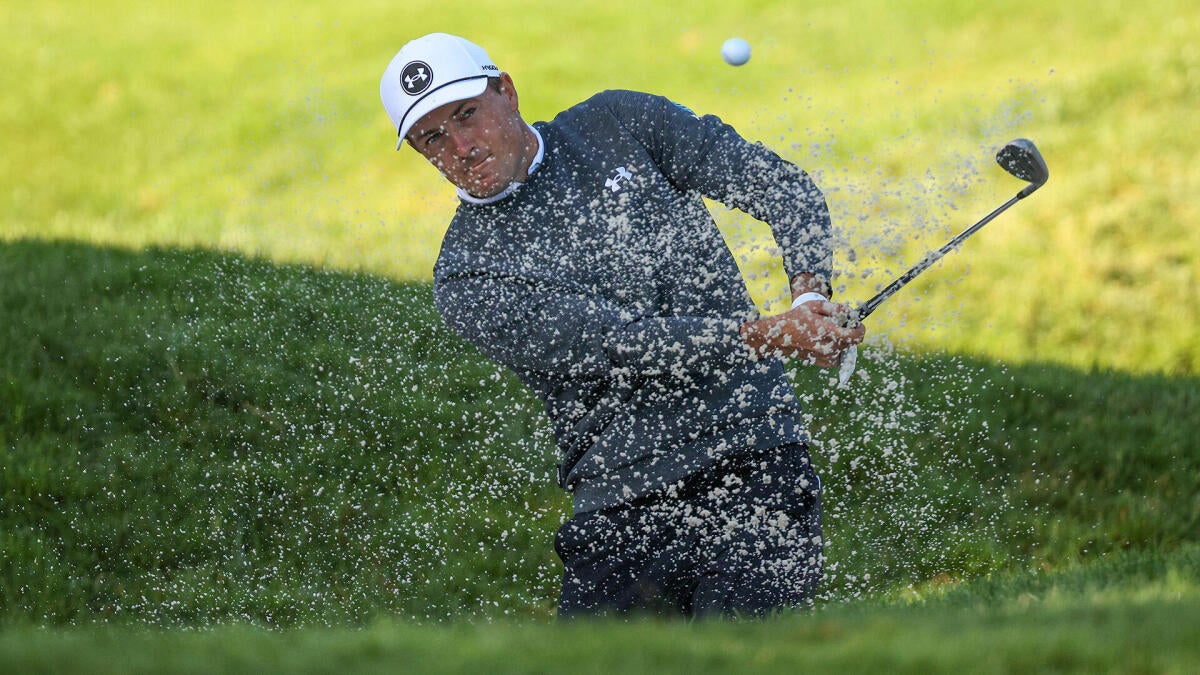
It’s easy to remember a good shot. They are always the highlight of the round. They rarely, however, are the shots that save our scores. Lower scores, while impacted by perfect shots, are built on how we respond to less than ideal scenarios. That’s where the importance of mastering score saving shots comes into play. Control in these moments is critical.
Let’s break down the key situations where developing a reliable score saving shot can dramatically improve your scoring.
The Wedge From 100 Yards and In

A wedge in hand inside 100 yards is one of the most common opportunities to turn a potential bogey into a par. Whether it’s your third shot into the green on a par 5 or an approach shot after a conservative tee shot on a short par 4, a score saving shot is well within reach. A mistake players will often make in this situation is trying to aggressively attack the flag. The keys to maximizing this situation are listed below.
- Choose a club that allows for a smooth, confident swing
- Prioritize solid contact over spin
- Aim for the center of the green
From this range, consistency matters more than flair. A predictable wedge that finds the putting surface gives you a legitimate chance to two-putt and move on.
The Reliable Greenside Chip

A dependable chip may be the most important score saving shot in your arsenal. Many doubles happen not because of a missed green, but because of a poor recovery. Chunked chips, bladed attempts, or overly aggressive flop shots quickly compound small mistakes. Follow the tips below to reduce your chances of a mistake in this area.
- Pick the simplest shot available
- Get the ball on the green as quickly as possible
- Focus on clean contact and predictable rollout
There’s no need to get cute. Keep it simple and hit chip shot that gets you within 10 feet of the pin. This keeps the hole under control and maximizes your opportunity to save par.
The Basic Greenside Bunker Shot

Bunkers intimidate many golfers, but they don’t have to. A committed, simple approach turns a difficult lie into another manageable score saving shot opportunity. When you find yourself in the bunker:
- Commit fully to the swing
- Focus on getting the ball onto the green
- Accept that a two-putt is a great result
Trying to hit the perfect explosion shot often leads to hesitation. A confident swing that carries the ball safely onto the putting surface keeps big numbers off your card.
The Lag Putt

Not every score saving shot involves the full swing. Lag putting is one of the most overlooked scoring skills in golf. Three-putts are momentum killers, especially for golfers trying to break 90 or 100. When you’re staring down a large stretch of green to the cup, keep the following in mind:
- Focus on speed, not line
- Picture a “makeable” second putt distance
- Remove the possibility of blowing it 6 feet past
A strong lag putt may not earn applause, but it consistently protects your score.
The Punch Shot From Trouble
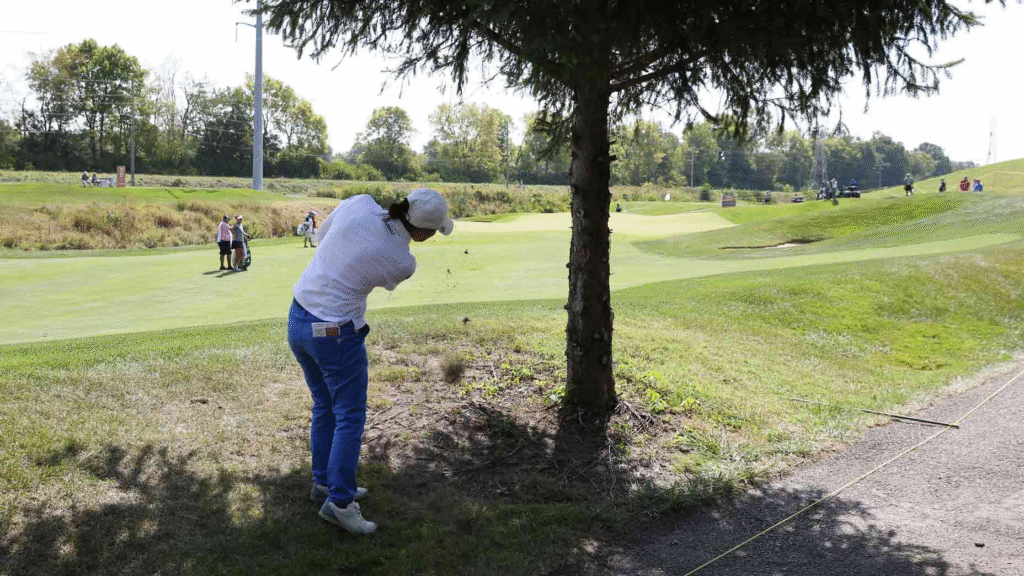
No one hits every fairway. When you find the trees, the objective shifts. This is where a disciplined score saving shot becomes critical. The biggest mistake amateurs make is attempting a hero shot through a tiny gap. Instead:
- Advance the ball safely
- Get back into position
- Play toward the widest target available
A simple punch back to the fairway keeps the hole alive. Trying to recover everything at once often turns one mistake into two or three.
The “Middle of the Green” Approach

There will be moments when the lie is awkward, the yardage uncomfortable, or the pin tucked near trouble. In these situations, the smartest score saving shot is often the most boring one.
- Aim for the center of the green
- Choose the club you trust most
- Accept a 25-foot putt
Short-siding yourself or attacking a dangerous flag may feel bold, but it increases volatility. The middle of the green is almost always a safe and strategic play.
Why These Situations Matter
Most golfers don’t lose strokes because they lack talent. They lose strokes because small mistakes snowball. A missed green turns into a chunked chip. A poor tee shot turns into a risky recovery. A long putt turns into three.
Having a dependable score saving shot in each of these scenarios prevents that snowball effect. Instead of compounding errors, you reset the hole and give yourself a realistic chance to finish strong.
For players in the 85–100 range, eliminating just one double bogey per round can shave multiple strokes off your score. Often, that improvement doesn’t come from hitting it farther or swinging harder — it comes from mastering one reliable score saving shot after another.
Build Trust Through Repetition

The key to developing a consistent score saving shot is practice with intention. Spend time working on these skills to solidify your “safe shot” game:
- Hitting wedges to specific yardages
- Chipping to defined landing spots
- Practicing bunker exits, not perfect bunker shots
- Lag putting from 30–40 feet
Confidence grows when repetition removes uncertainty. When you’ve seen the shot succeed in practice, you’re more likely to commit on the course.
Final Thoughts
Golf will always include imperfect swings. Even your best rounds will have moments that require recovery. The difference between frustration and progress often comes down to whether you can execute a simple score saving shot under pressure.
Master the wedge that finds the green. Develop the chip that avoids disaster. Trust the lag putt that eliminates three-putts. Lean on the punch shot that gets you back in play. When each score saving shot becomes second nature, your round stays stable even when your swing isn’t perfect.
You don’t need to be flawless to score well. You just need a dependable score saving shot when it matters most.
2 Comments
i’m a male golfer 92 yr old—8 iron = 80-85 yds—48 degree = 40 yde—would like to see some input for this type golfer—thanks Ed Mahle
Hi Ed, thanks for the comment! What specifically are you looking for in terms of input?