
For new golfers, one of the first big decisions is how to learn the game. Do you pay for golf lessons with a teaching pro, or do you fire up YouTube and watch one of the thousands of swing tip videos available for free? It’s a fair question. After all, YouTube offers unlimited content from seemingly knowledgeable instructors, and lessons can feel like a costly investment. But when it comes to truly building a swing that lasts, working with a qualified instructor almost always wins out. Here’s why.

YouTube: A Double-Edged Sword
YouTube is an incredible resource. There are videos on every imaginable topic. How to grip the club, fix a slice, hit bunker shots, even detailed slow-motion breakdowns of professional swings. The problem isn’t a lack of information; it’s too much information.
As a beginner, it’s nearly impossible to know which tips apply to your game and which don’t. You might watch one video that says “keep your left arm straight” and another that encourages “a soft bend in the elbows.” Both could be valid in the right context, but if you’re trying to apply them at the same time, you’ll end up confused and frustrated.
This information overload often leads to what coaches call paralysis by analysis, or standing over the ball with five different swing thoughts in your head. Instead of swinging naturally, you’re forcing positions, and the result is inconsistent contact.
YouTube can be great for supplemental learning, but on its own, it’s like trying to learn piano by randomly watching videos of concert pianists. Without structure or feedback, it’s easy to ingrain bad habits.
The Value of a Golf Instructor

Working with an instructor solves these problems because it personalizes the learning process. A teaching pro can see things you can’t. They can watch your swing in real time, identify the one or two key changes that will make the biggest difference, and give you drills tailored to your needs.
This individualized feedback is the most important reason lessons beat YouTube. Instead of trying to copy someone else’s swing, you’re building your own swing. One that matches your body type, flexibility, and skill level.
For beginners, this prevents the formation of bad habits that become harder to fix later. Many self-taught golfers spend years fighting a slice or topping the ball because they never learned fundamentals like grip and stance correctly from the start. An instructor ensures your foundation is solid, which pays off for the rest of your golfing life.
Structure and Accountability
Another advantage of lessons is structure. YouTube allows you to bounce around endlessly. Driver one day, putting the next, bunker shots the day after. Lessons follow a progression. A good instructor won’t overwhelm you with information. They’ll introduce concepts step by step, layering skills so that improvement feels natural.
Lessons also create accountability. When you know someone is checking in on your progress, you’re more likely to practice with purpose. On YouTube, it’s easy to watch a video, try something twice, and then move on to the next tip when it doesn’t work immediately. Lessons keep you committed to the process.
The Mental Game
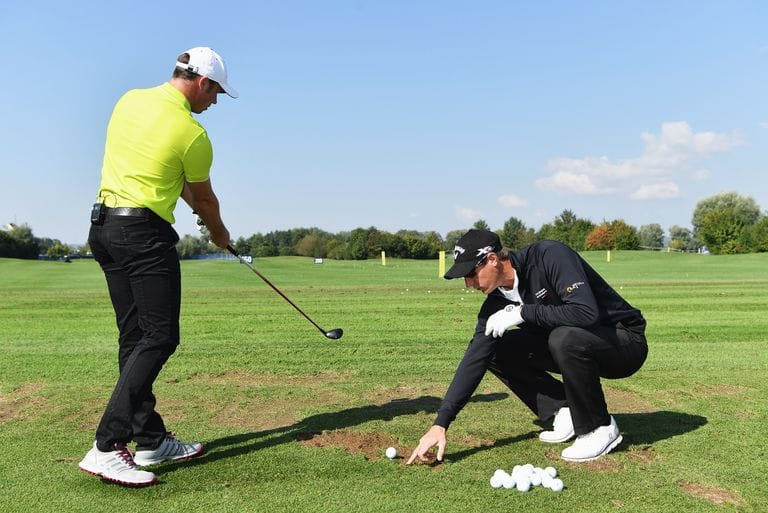
Working with a coach doesn’t just improve your mechanics, it strengthens your mental approach. Beginners often ask questions like, “Why do I hit it great on the range but not on the course?” or “Why does trying harder make my swing worse?” An instructor can answer these, give you confidence strategies, and reassure you when frustration hits. That kind of guidance isn’t something a video can provide.
Golf is as much mental as it is physical. A good coach teaches you how to practice, how to set realistic goals, and how to keep perspective when things go sideways. That’s invaluable, especially early on.
Yes, lessons cost money while YouTube is free. But you’ve got to think about it as an investment. Spending a few hundred dollars on lessons now can save you years of frustration and the cost of chasing new clubs, gadgets, or swing fixes that don’t address the root of the problem. Ask me how I know.
Golf is a lifetime sport. If you’re planning to play for decades, wouldn’t you want a foundation that helps you enjoy the game more, hit better shots sooner, and avoid ingrained mistakes that could take years to undo?
A Balanced Approach
This isn’t all to say that YouTube doesn’t have a place. In fact, combining lessons with selective video learning can be powerful. Once your instructor teaches you a concept, you can use YouTube to see other explanations, demonstrations, or practice drills that reinforce it. The key is that YouTube becomes a supplement, not your primary teacher.
Final Thought
The choice between lessons and YouTube comes down to this: do you want a random collection of tips, or a swing built for you with professional guidance? YouTube is tempting because it’s free and immediate, but it can’t give you feedback, context, or a learning plan. An instructor can.
If you’re serious about enjoying golf, invest in a few lessons. You’ll not only save yourself countless headaches, but you’ll also build the confidence and consistency that keep golfers coming back to the course for a lifetime.