
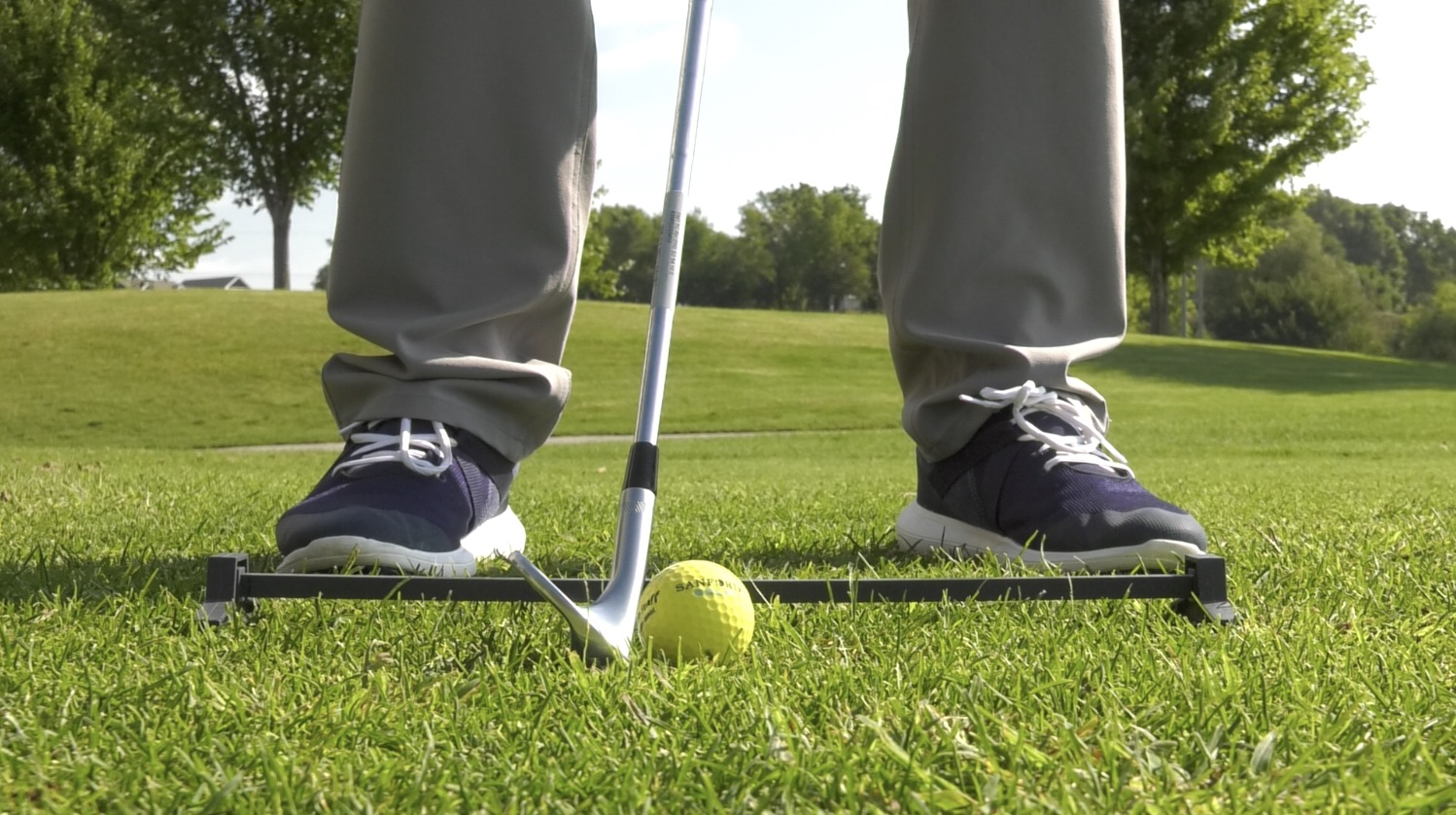
Golf is one of the few sports you can play and enjoy for a lifetime. For many senior golfers, the game continues to provide challenge, camaraderie, and exercise well into later years. However, the body naturally changes over time. Flexibility decreases, swing speed slows, and recovery takes longer. That doesn’t mean your scores have to rise or your enjoyment has to fall. With a few smart adjustments to your approach, equipment, and fitness routine, you can continue to play confident, consistent golf for years to come.
Focus on Flexibility and Mobility

One of the biggest challenges senior golfers face is reduced range of motion, particularly in the shoulders, hips, and back. A limited turn can shorten the swing and cost you both power and accuracy.
Start incorporating gentle flexibility and mobility exercises into your daily routine. Focus on stretching your hamstrings, hip flexors, and upper back, which are all areas that tend to tighten up the most. Simple golf-specific moves such as torso rotations, shoulder circles, and hip turns can help keep your swing fluid. Yoga or Pilates can also be highly effective for maintaining flexibility while improving balance and posture.
Even five to ten minutes of stretching before and after your round can make a noticeable difference in how freely you swing.
Embrace Equipment That Works for You
Modern golf technology has come a long way, and senior golfers can benefit tremendously from it. Choosing the right equipment can help offset slower swing speeds and make the game much more forgiving.
Start with your shafts. Switching to a lighter graphite shaft can increase clubhead speed and reduce strain on your joints. Many seniors also benefit from using higher-lofted fairway woods or hybrids in place of long irons. These clubs launch the ball higher and make it easier to hold greens.
For drivers, consider models that promote high launch and low spin with added forgiveness. Many brands now offer “senior” flex or “A” flex shafts designed to help maximize distance without extra effort.
Finally, do not overlook your golf ball. A lower compression ball can help slower swing speeds achieve better distance and feel.
Prioritize Balance and Stability

Good golf starts from the ground up. Balance is often overlooked, but it becomes more critical as you age. Strong legs and stable footing lead to more consistent contact and better weight transfer through impact.
Add simple balance exercises to your weekly routine. Standing on one leg for 30 seconds, practicing slow squats, or using a balance board can all improve your stability. On the course, focus on maintaining a solid base by setting up with slightly wider feet and keeping your weight evenly distributed.
When walking the course, consider using a push cart to reduce fatigue. Staying steady over the ball helps you maintain rhythm and control throughout the round.
Make Tempo and Rhythm Your Strength
Many younger golfers rely on raw power, but senior players can excel by mastering tempo and rhythm. A smooth, controlled swing often produces more consistent results than an aggressive one.
Think of the golf swing as a flowing motion rather than a fast one. Try counting “one” on the backswing and “two” on the downswing to promote a steady pace. Using half or three-quarter swings can also help improve contact and accuracy, especially with irons and wedges.
The key is to stay tension-free. Relaxed muscles move faster and more efficiently than tight ones, so loosen your grip pressure and let the club do the work.
Manage Expectations and Play Strategically

Golf should always be enjoyable, but frustration often comes when expectations don’t match ability. As you age, it’s normal for distances to drop slightly. The smart move is to adjust your course management and focus on playing to your strengths.
Move up a set of tees to make the course more manageable. Focus on fairways and greens rather than chasing maximum distance. Choose clubs that help you advance the ball consistently, even if it means leaving the driver in the bag on tighter holes.
Think of yourself as a course manager rather than a power player. Picking smart targets, avoiding high-risk shots, and leaning on your short game can lower your scores without swinging harder.
Keep the Game Fun

Finally, remember that golf is about enjoyment. Play with friends who match your pace, walk or ride as you prefer, and appreciate the time outdoors. Staying active and social through golf supports both physical and mental well-being.
If your swing feels off or pain starts to creep in, don’t hesitate to take a lesson from a PGA professional who specializes in working with senior golfers. They can help you make small, effective adjustments to protect your body while keeping your swing efficient.
Final Thoughts
Golf for seniors is about adaptation, not limitation. With smarter preparation, tailored equipment, and an emphasis on flexibility, balance, and tempo, you can continue to play great golf and enjoy every round. The secret isn’t swinging harder, it’s swinging smarter.