
Golf Equipment Terms Every Golfer Should Know
You know what a driver is. You’ve hit irons. You’ve seen someone chip with a wedge. But then you hear terms like “MOI,” “toe hang,” or “kick point” and suddenly it feels like everyone around you speaks a different language.
This guide is here to help. Whether you’re a few seasons in or just starting to build a real interest in gear, these terms can help you feel more informed, more confident, and more connected to what’s in your bag.
Let’s get into it.
The Basics
Driver
What it is:
This is the big stick. The club you pull out on the tee box when you want to hit it far and set yourself up for a good hole.
Why it matters:
Choosing the right driver can impact everything from your confidence on the first tee to how many fairways you hit. Loft, shaft and even the clubhead shape all come into play.
Fairway Wood
What it is:
A slightly smaller version of a driver, used off the tee or from the fairway when you need distance but also some control.
Why it matters:
Great for long par 4s, par 5 approaches, or when the driver is misbehaving.
Hybrid
What it is:
Part iron, part fairway wood. Designed to be more forgiving than long irons and easier to hit from almost any lie.
Why it matters:
A hybrid can make your long game more reliable, especially if you struggle with consistency using a 3 or 4 iron.
Irons
What it is:
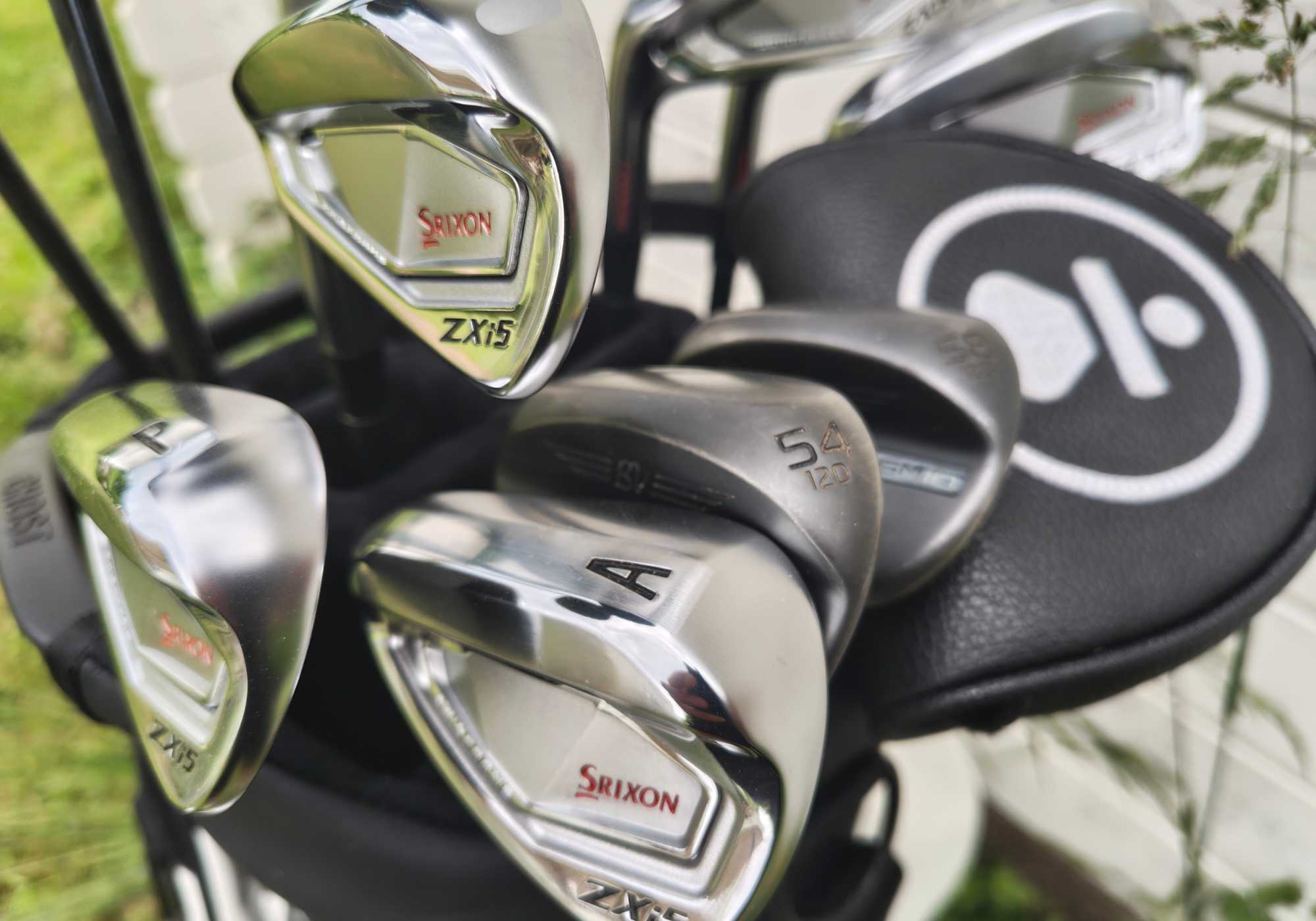
These are your workhorse clubs. They can be numbered 3 through 9, they’re used for everything from tee shots to approach shots to bump-and-run chips.
Why it matters:
The type of irons you play, whether they’re built for distance, forgiveness, or control—can shape your whole game.
Wedges
What it is:
Wedges are your scoring clubs. They’re designed for shorter shots, getting out of bunkers, or hitting that high, soft shot that lands and stops.
Why it matters:
The right wedges can save strokes around the green. You’ll typically carry a pitching wedge, gap wedge, sand wedge, and maybe a lob wedge.
Putter
What it is:
The club you use the most. Putters come in all shapes and sizes, each designed to help you roll the ball smoothly into the hole.
Why it matters:
A putter that fits your stroke can build trust on the greens and help you avoid those frustrating three-putts.

Wedge Terms You Should Know
Bounce
What it is:
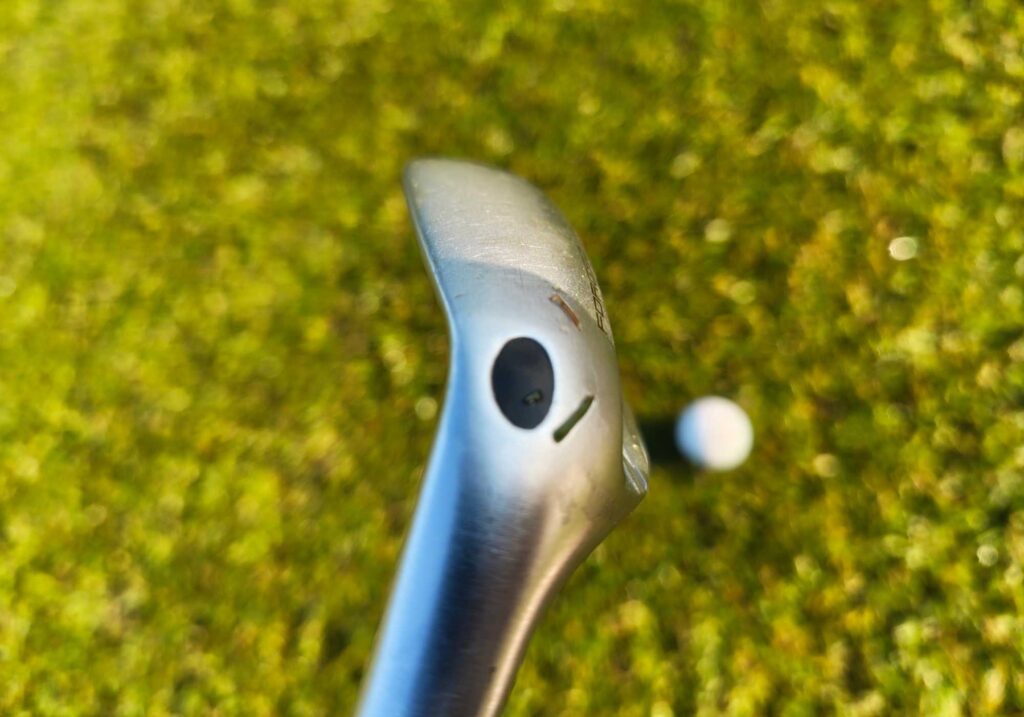
Bounce is the angle between the leading edge of your wedge and the bottom of the sole. It helps the club slide through grass or sand instead of digging in.
Why it matters:
The right bounce can make your wedge feel more forgiving. If you play soft turf or have a steep swing, you’ll want more bounce. Firm turf or shallow swings do better with less.
Grind
What it is:
Grind refers to how the bottom of the wedge is shaped. Club makers remove material in different areas to help you open the face, lay it flat, or get through different lies.
Why it matters:
The grind gives your wedge personality. It can make it easier to hit all kinds of shots around the green if you pick the one that fits your swing and style.
Grooves
What it is:
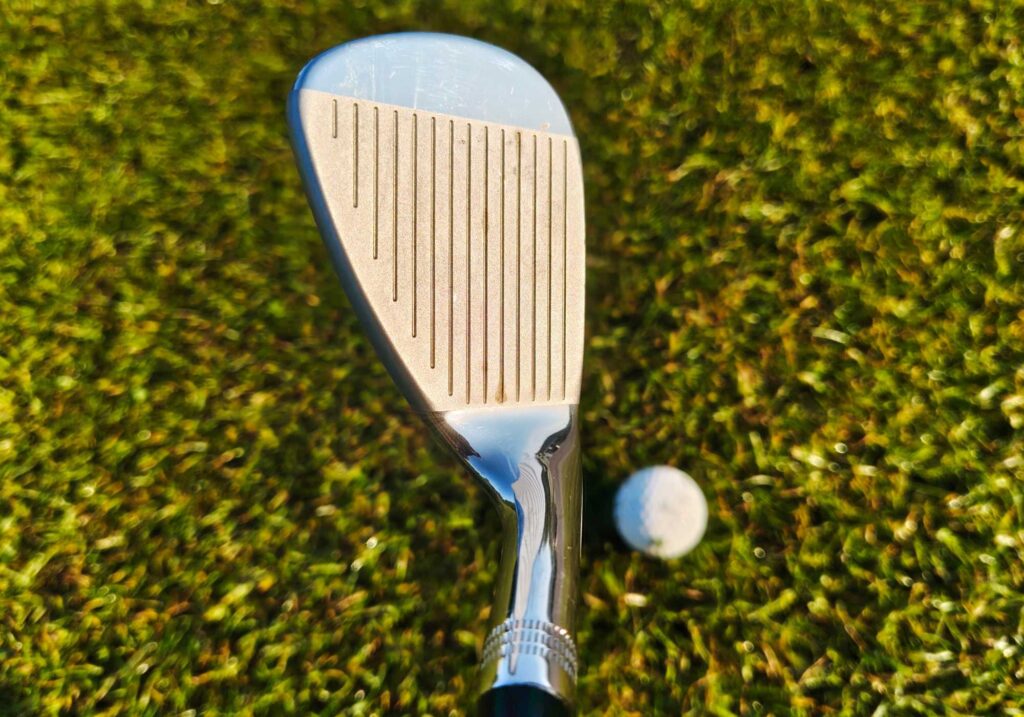
Those tiny lines across the clubface are grooves. They grab the ball and help create spin, especially on shorter shots.
Why it matters:
Spin gives you control. If your grooves are worn down or the wrong style for your game, you might struggle to hold the green.
Iron Categories Explained
Super Game Improvement
What they are:
Large, forgiving irons built for beginners or high-handicap golfers. They’re designed to get the ball in the air easily and correct your misses.
Why they matter:
These irons are all about forgiveness. If you’re still working on consistent contact, they give you a wide margin for error.
Game Improvement
What they are:
A step down in size but still focused on forgiveness. These irons balance distance, playability, and feel.
Why they matter:
If you’re breaking 90 and getting more confident, these give you a cleaner look without sacrificing forgiveness.
Players Distance
What they are:
Sleeker irons with a little hidden tech. They look like better-player clubs but are built to give you a few extra yards.
Why they matter:
These irons work for golfers who want more control than game improvement clubs but aren’t quite ready for blades.
Players Irons
What they are:
Compact, often forged and made for precision. These irons are all about feedback and workability.
Why they matter:
Great for skilled players who want to shape shots and don’t mind giving up a little forgiveness.
Blades
What they are:
The most traditional iron design. Small head, thin sole, and all feel.
Why they matter:
Blades demand consistency. If you hit it pure, they feel incredible. If not, they’ll let you know.
Putter Styles and Stroke Matching
Blade Putter
What it is:
A classic, slim putter design with a clean look and soft feel.
Why it matters:
Often ideal for players with an arcing stroke who prefer more feedback in their hands.
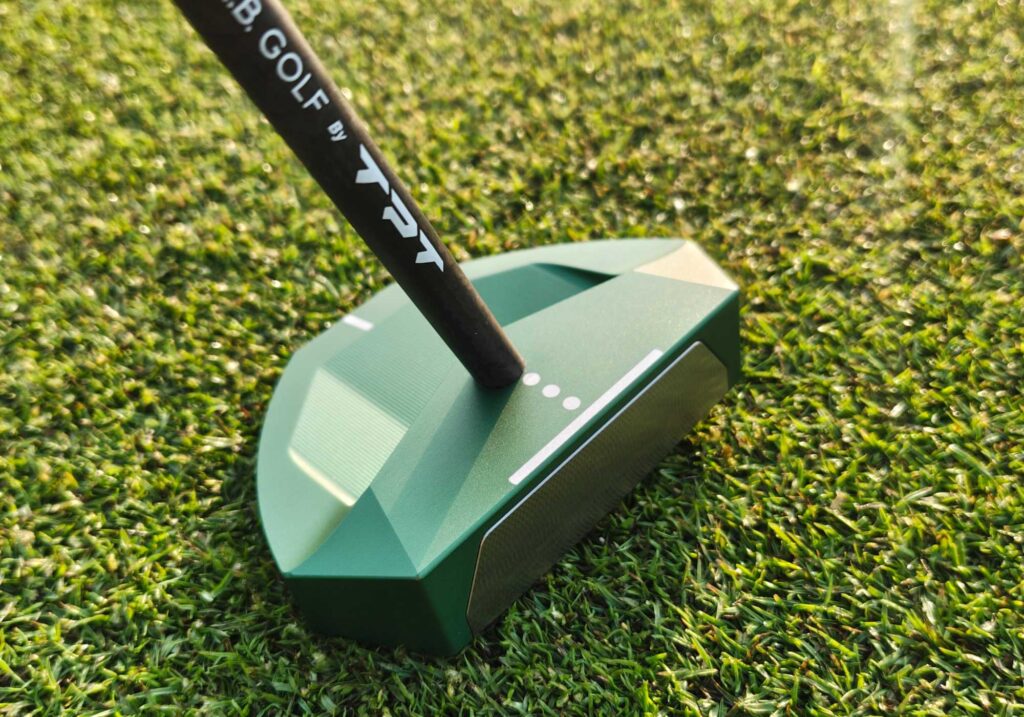
Mallet Putter
What it is:
A larger head with more weight spread out to the perimeter.
Why it matters:
Mallets are more forgiving and help with alignment. Perfect if you struggle to keep your stroke on line.
Toe Hang
What it is:
This describes how much the toe of your putter hangs down when the shaft is balanced.
Why it matters:
Toe hang putters match well with strokes that arc. A straight stroke pairs better with a face-balanced putter.
Zero-Torque or Low Torque
What they are:
Putters designed to resist twisting and keep the face square through impact.
Why they matter:
Helpful if you tend to push or pull your putts. These designs promote a more stable feel and cleaner roll.
Arc
What it is:
Your putting stroke shape. Some go straight back and through, others naturally arc.
Why it matters:
Matching your putter to your arc helps you repeat your stroke and build consistency.
Shaft Terms That Affect Feel and Flight
Shaft Flex
What it is:
Flex describes how much your shaft bends during the swing. It’s influenced by your speed, tempo and transition.
Why it matters:
The right flex helps with timing and energy transfer. If you’re using the wrong one, your ball flight and feel will suffer.
Torque
What it is:
Torque measures how much the shaft twists. You don’t see it, but you feel it—especially in the driver.
Why it matters:
High torque feels smoother but may cost you stability. Low torque feels firmer and tighter. Your swing tempo plays a big role here in what will feel and perform best for your individual swing.
Kick Point
What it is:
The point on the shaft where it bends the most during your swing.
Why it matters:
A lower kick point helps you launch the ball higher. A higher kick point keeps it lower. Matching this to your swing can improve control or add carry.
Grip Options and Feel
Standard Grip
What it is:
The default size most golfers start with. Works well for average-sized hands and neutral grip pressure.
Midsize / Oversize / Jumbo
What it is:
Thicker grips designed to reduce wrist movement and lighten grip tension.
Why it matters:
Larger grips can help players with arthritis, big hands, or those who want a quieter release. They also help take tension out of the swing.
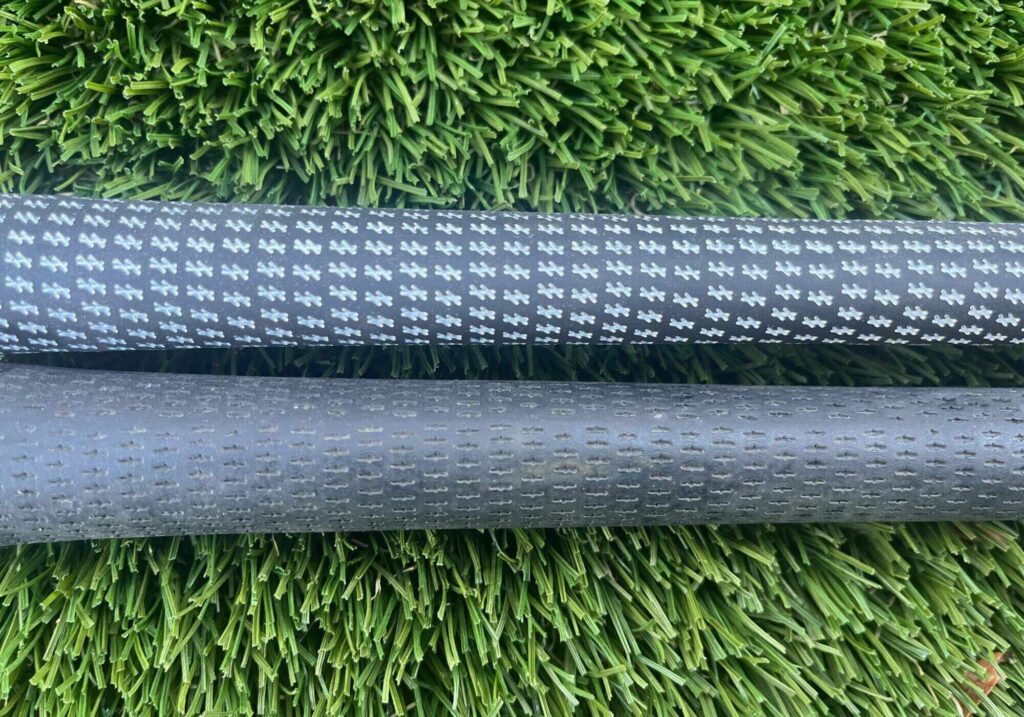
Grip Texture and Firmness
What it is:
Grips come in different feels with some feeling tacky and soft, others firm and textured.
Why it matters:
This is about comfort and feedback. Softer grips feel more cushioned. Firmer grips give you more response.
Technical Golf Terms That Actually Matter
MOI (Moment of Inertia)
What it is:
MOI is a fancy way of saying “resistance to twisting.” It measures how stable the club is when you miss the center of the face.
Why it matters:
Higher MOI means more forgiveness. It helps keep your ball on line even when contact isn’t perfect.
CG (Center of Gravity)
What it is:
The point in the clubhead where the weight is balanced.
Why it matters:
Low and back CG helps you get the ball up in the air. A forward CG lowers spin and creates a flatter flight. It’s all about launch and control.
Tungsten
What it is:
A heavy metal used to shift weight in the clubhead without making it bulky.
Why it matters:
Tungsten helps designers make clubs more forgiving by placing weight exactly where it benefits your swing.
Swing Weight
What it is:
How heavy the club feels during the swing. It’s not about total weight, but about balance.
Why it matters:
Finding a consistent swing weight across your set helps build rhythm and trust.
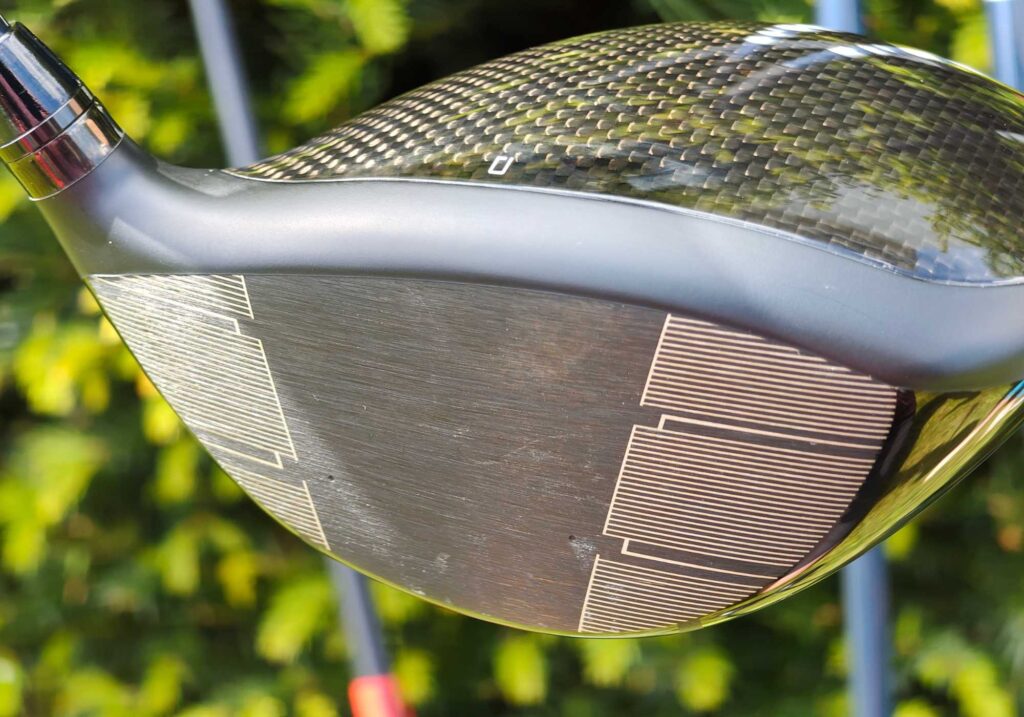
Bulge and Roll
What it is:
These are curves on the face of a driver or fairway wood. Bulge is side-to-side, roll is top-to-bottom.
Why it matters:
They help correct mishits. Gear effect kicks in and helps your ball curve back toward center.
More Technical Terms You’ll See in Fitting or Marketing
Lie Angle
What it is:
The angle between the shaft and the ground when the club sits at address.
Why it matters:
The wrong lie angle sends shots offline. Upright can go left, flat can go right. A proper lie angle helps you hit straighter.
Loft
What it is:
The angle of the clubface that controls how high the ball launches.
Why it matters:
More loft equals higher ball flight and more spin. Less loft gives a lower, more piercing flight.
Draw Bias
What it is:
A design feature that helps promote a right-to-left ball flight for right-handed golfers.
Why it matters:
If you slice the ball, a draw-biased club can help straighten things out or even give you a baby draw.
Low Spin
What it is:
A term used to describe clubs or balls that reduce spin for a flatter flight and more roll.
Why it matters:
Great for players who already generate enough spin or want more distance off the tee.
High Launch
What it is:
Clubs or shafts built to help you get the ball into the air more easily.
Why it matters:
Useful for slower swing speeds or players who naturally hit the ball low.
Adjustable Hosel
What it is:
A part of the club that lets you change loft, lie, and sometimes face angle.
Why it matters:
It gives you flexibility to fine-tune your launch and dial in performance over time in drivers, fairway woods, hybrids and some utility irons.
Final Thoughts
Understanding your golf equipment doesn’t mean turning into a gear nerd. It means knowing enough to make smart decisions and feel confident when you swing.
Next time you’re getting fit, reading a review, or considering a new club, you’ll know what questions to ask and more importantly, you’ll understand the answers.
1 Comment
Great article!