
Golf is a game of misses. Even professionals rarely hit the ball exactly how they intend every single time. For new and experienced golfers alike, paying attention to the pattern of your misses is one of the fastest ways to improve. Each miss, whether it’s a slice, a hook, a thin shot, or a chunk, tells you something about what’s happening in your swing. Instead of getting frustrated, you can use those clues to adjust and get back on track.
Let’s break down the most common misses, what they usually reveal, and how you can respond.
The Slice (Ball curves right for right-handed golfers)
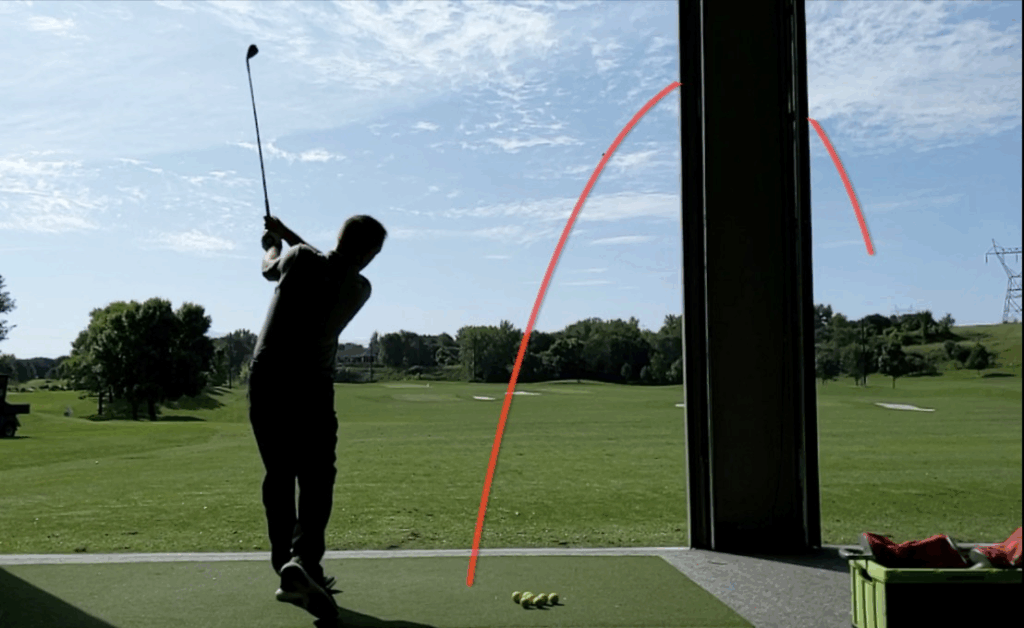
Few misses frustrate beginners more than the slice. You set up square, make your swing, and watch helplessly as the ball starts straight before peeling off to the right.
What it says about your swing:
A slice almost always comes from an open clubface at impact combined with an outside-in swing path. In other words, the club is cutting across the ball instead of swinging through it on a square or slightly inside path. Your grip may also be too weak, preventing the face from closing in time.
What to try:
- Strengthen your grip slightly (rotate both hands a little to the right on the handle if you’re right-handed).
- Focus on swinging more from the inside. A good drill is to imagine you’re hitting the inside quadrant of the ball, delivering the club slightly “from the pocket.”
- Place a headcover or alignment stick just outside your ball at address. If you swing over the top, you’ll hit it. Learning to miss the barrier helps retrain your path.
The Hook (Ball curves left for right-handed golfers)
The hook is the mirror image of the slice. It may start straight or slightly right but then takes a hard turn left.
What it says about your swing:
A hook usually means the clubface is too closed relative to the path at impact. Often, the swing path itself is too much from the inside. Combined, the ball starts right and snaps left. Overactive hands or a grip that’s too strong can also contribute.
What to try:
- Neutralize your grip. Rotate both hands slightly left on the club.
- Focus on body rotation through impact. Over-flipping the wrists can close the face too quickly.
- Try hitting half shots with your lead hand only. This trains proper face control without excessive flipping.
The Pull (Ball goes straight left)

Unlike the hook, a pull doesn’t curve much. It just launches left and stays there.
What it says about your swing:
Pulls happen when the swing path is outside-in but the face is actually square to that path. The result is a straight ball, just in the wrong direction. Many golfers pull when they rush from the top or let the upper body dominate the downswing.
What to try:
- Slow down your transition. Feel your weight shift and lower body start before your arms and shoulders.
- Use an alignment aid. Sometimes setup alone is the culprit. Double-check that your feet, hips, and shoulders are aimed parallel to the target line.
- Place a tee just outside the target line a few feet ahead of your ball. Practice swinging toward it to feel an in-to-out path.
The Push (Ball goes straight right)
This one is the opposite of the pull. The ball starts right and doesn’t come back.
What it says about your swing:
Pushes usually mean the clubface is square, but the path is too far inside-out. The ball doesn’t curve, it just launches to the right because the face is pointing there at impact.
What to try:
- Check your alignment. Many pushes are simply setup errors.
- Feel more upper-body rotation so you don’t leave the club stuck behind you.
- Swing through to a high, balanced finish to encourage full release.
The Thin Shot (Ball hit low on the face)

A thin shot produces a weak, skimming ball flight that barely gets airborne.
What it says about your swing:
Catching it thin usually means you’re standing up through impact or your weight is falling backwards. The low point of your swing is behind the ball, so the club catches the equator of the ball instead of compressing it.
What to try:
- Focus on keeping your chest down through the strike.
- Practice half swings where you brush the grass in front of the ball.
- Work on weight shift. Your weight should finish mostly on your front foot.
The Chunk (Fat shot, hitting the ground first)
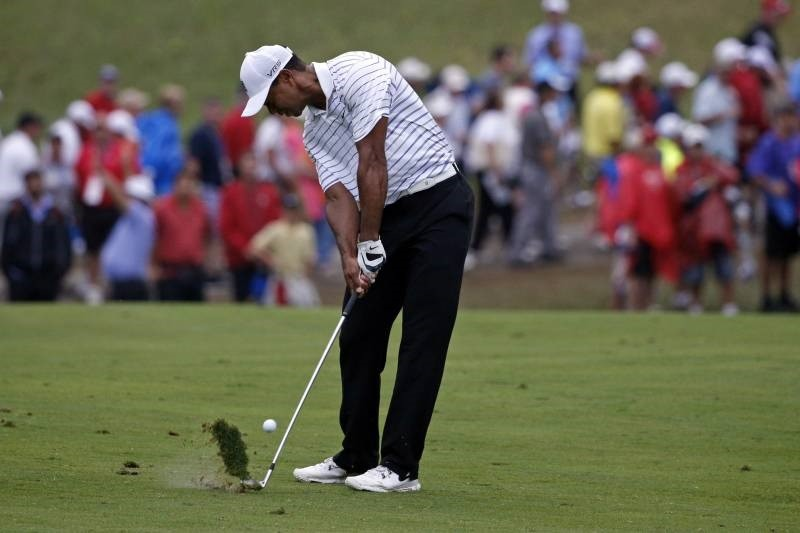
The chunk is every beginner’s nightmare: a big divot, little distance, and frustration.
What it says about your swing:
Chunked shots also come from poor low-point control, but this time your swing bottoms out too early. Hanging back on the trail foot, flipping the wrists, or over swinging are common causes.
What to try:
- Place a tee an inch in front of the ball. Practice striking the tee after hitting the ball. This trains you to shift your low point forward.
- Shorten your backswing to regain control.
- Keep your weight moving toward the target throughout the downswing.
Turning Misses Into Feedback
The key takeaway is that every miss tells a story. A slice isn’t just “bad,” it’s evidence of an open face and over-the-top path. A thin isn’t just bad contact, it’s proof your swing bottomed out too soon. By reframing misses as feedback, you’ll turn frustration into progress.
Final Thoughts
Golf improvement isn’t about eliminating every bad shot, but about reducing the severity and frequency of your misses. If you can recognize your miss patterns and understand what they say about your swing, you’ll know where to focus your practice. With time, those misses shrink, your consistency grows, and the game becomes far more enjoyable.