
Few things in golf are as frustrating as hitting a great drive, sticking your approach close, and then tugging a short putt left of the hole. Pulling putts is one of the most common mistakes golfers make, and it can sabotage rounds quickly. The good news? With a little awareness of what causes pulled putts and a few simple fixes, you can roll the ball straighter and start making more putts inside ten feet.
Why Putts Get Pulled
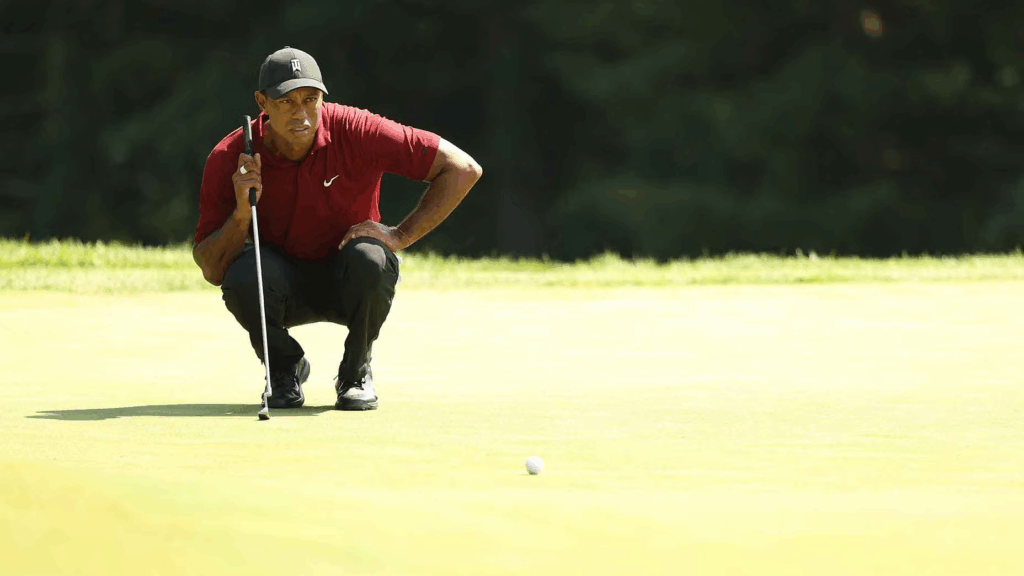
Pulled putts usually come down to one of three issues: setup, stroke path, or face control.
- Setup flaws – If your shoulders are open at address, the putter tends to swing left through impact. Many golfers don’t even realize their alignment is off because it feels “square” to them.
- Stroke path – A putting stroke that cuts across the ball from outside to inside will almost always send the ball left of target.
- Face control – Even with a good path, if the putter face closes too quickly through impact, the ball starts left. This often happens when grip pressure is too tight or hands dominate the motion instead of the shoulders.
The trick is to identify which issue is most affecting you, then apply the right fix.
Check Your Setup First
Before you blame your stroke, make sure your setup isn’t setting you up for failure.
- Eyes and shoulders – Stand behind the ball and lay a club or alignment stick across your shoulders. If it points left of the target, your stroke is already aimed to pull the ball. Try to square your shoulders parallel to the intended line.
- Ball position – If the ball creeps too far forward in your stance, the putter face is more likely to close at impact. Keep it just forward of center.
- Grip pressure – A death grip on the putter can cause hand action to override the natural rocking of the shoulders. Aim for light pressure. Enough to control the putter, but not enough to squeeze it.
A mirror or putting alignment aid can help you double-check that your eyes, shoulders, and putter face are lined up properly before every stroke.
Focus on the Stroke Path
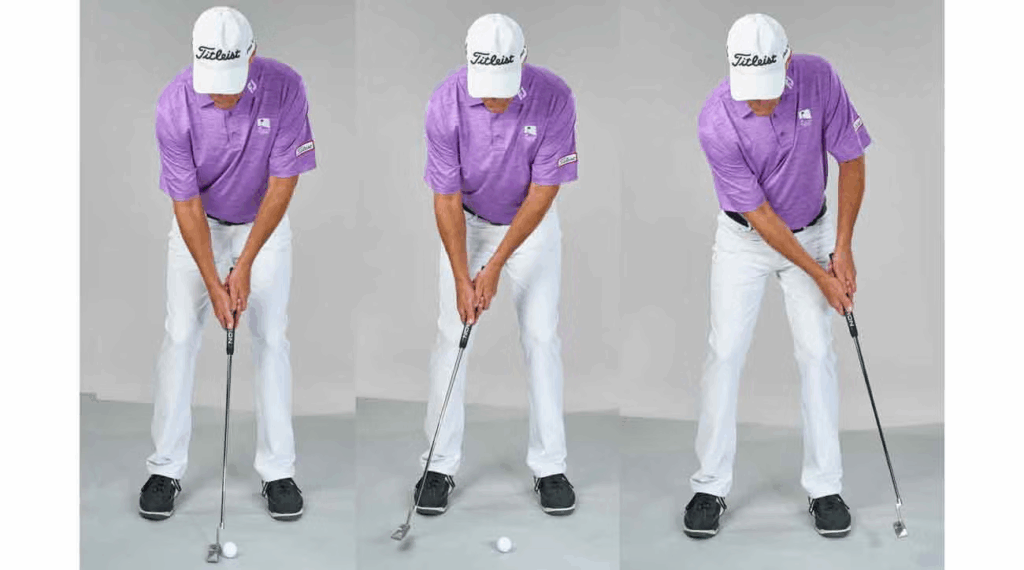
If your setup looks solid, your stroke path may be the culprit. The goal is a stroke that moves slightly inside on the way back, square at impact, and slightly inside on the follow-through without cutting across the ball.
Drill: The Gate Drill
Set two tees just wider than your putter head and stroke putts through the “gate.” If you’re pulling, you’ll likely clip the left tee. This forces you to keep the putter moving straight down the line through impact.
Drill: Chalk Line Practice
Snap a chalk line or use an alignment string on a flat practice green. Place your putter square to the line and keep it there throughout the stroke. This simple feedback tool is one of the best ways to train your eyes and stroke to stay square.
Control the Putter Face
Even with good setup and path, a closing putter face can pull the ball left. Focus on controlling the face with your shoulders, not your hands.
Drill: One-Handed Strokes
Practice five-foot putts using only your lead hand. This helps quiet the trail hand, which often flips the face closed. After a few minutes, return to your normal grip. You’ll feel more stable through impact.
Drill: Shoulder Rock
Stand over a short putt and consciously feel your shoulders rocking back and through like a pendulum. The putter should follow naturally, without much hand manipulation. This ingrains a square, stable release.
Trust Your Line

Sometimes pulled putts come from a lack of confidence. If you don’t trust your read, you may subconsciously tug the putter left to “help” the ball find the hole. Commit to your read, pick a spot a few inches in front of the ball, and roll it over that spot. Confidence often cures pulls as much as mechanics.
Putting It All Together
If you’re pulling putts, start with alignment. Most golfers are shocked at how off their shoulders or ball position really are. From there, work on stroke path with drills like the gate or chalk line. Finally, focus on keeping the putter face stable through impact by letting your shoulders, not your hands, control the stroke.
Consistency in putting doesn’t happen overnight, but small, focused changes can make a huge difference. The next time you find yourself pulling everything left, remember: fix the setup, groove the path, stabilize the face, and trust the line. Before long, those knee-knockers inside six feet won’t feel like coin flips anymore, they’ll feel like opportunities.