
Sleep, Recovery Wear, and Better Golf: Why Your Night Routine Matters as Much as Your Range Time
Golfers love to talk about speed, sequencing, mobility, and mechanics—but one of the biggest performance advantages in the game often starts after the round is over. Sleep and recovery are where the body resets, the mind sharpens, and the work you put into your swing, fitness, and practice has a better chance to stick. For golfers who want to feel fresher, move better, and show up more prepared the next day, recovery wear can become a smart part of the routine—especially products built specifically around compression and infrared technology, like the recovery and infrared collections from DFND USA.
Why sleep matters for golfers
Golf is not a collision sport, but it absolutely taxes the body and brain. Long practice sessions, repetitive swings, walking 18 holes, travel, heat, tension through the hips and thoracic spine, and the mental strain of decision-making all add up over time. That is why sleep is more than “rest”—it is part of performance.
According to the CDC, getting enough sleep helps improve attention and memory, reduce stress, and support overall health. For athletes specifically, the Sleep Foundation notes that sleep is essential for tissue repair, recovery after exertion, cognitive sharpness, and next-day performance.
That matters in golf because better recovery is not just about feeling less tired. It can influence how well you rotate, how clearly you think over the ball, and how consistent your energy is from the first tee to the last green.
Recovery is becoming a bigger part of golf performance
Modern golfers are treating recovery more seriously than ever. In a Golf Digest feature on top amateurs competing through a demanding tournament week, recovery was broken into three critical buckets: nutrition and hydration, body maintenance, and sleep. The piece also emphasized that coaches see sleep as the most important factor in maximizing recovery, with players aiming for around eight hours and using routines that help them wake up ready to perform again.
That is a valuable takeaway for everyday golfers too. You may not be playing seven competitive rounds in a week, but if you are stacking range sessions, workouts, walking rounds, and daily life stress, recovery still matters.
Where recovery wear fits in
Recovery wear gives golfers a simple way to extend the recovery mindset beyond the gym or training room. Instead of thinking only about what happens during a workout, it helps you think about what supports the body after the session, after the round, during travel, and overnight.
DFND USA’s recovery collection is built around circulation-enhancing compression gear, including recovery compression tights, compression shirts, and leg sleeves. These products are designed with graduated pressure zones to improve blood circulation, reduce swelling, ease sore muscles, and support muscle recovery after strenuous activity.
For golfers, that makes practical sense. Compression wear can fit naturally into the parts of the day when your body tends to tighten up most: after a walking round, after leg day, on a flight to a buddies trip, or at night when you want recovery to continue while you rest.
DFND’s recovery collection: a smart option after rounds, workouts, and travel
Golf fitness is no longer just for tour players. More golfers are training for mobility, speed, stability, and endurance—and that creates a need for better recovery habits too.
DFND’s recovery line is aimed at that phase of the routine. The brand highlights compression tights, shirts, socks, and leg sleeves that are made to support circulation and reduce swelling and muscle soreness. DFND also recommends putting recovery wear on soon after training or competition, when the body is beginning its repair process, and notes that overnight wear can help maintain consistent pressure during a long period of rest.
For golfers, that could look like:
- wearing leg sleeves after walking 18
- using compression tights after lower-body strength work
- putting on compression socks or sleeves during travel
- adding recovery wear at night after back-to-back practice days
It is an easy habit to build because it does not require extra time—just better intention.
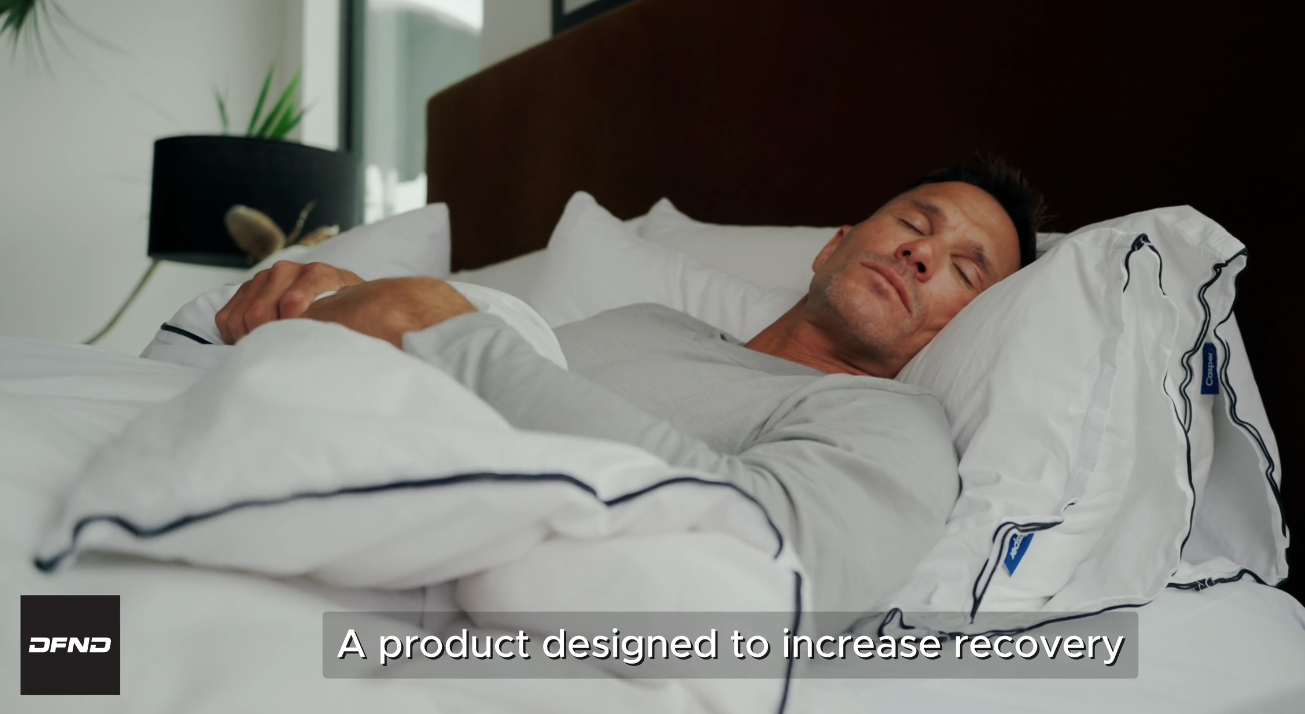
DFND’s infrared collection: recovery sleepwear designed for overnight use
The other side of the equation is overnight recovery, and that is where DFND’s infrared collection stands out.
DFND’s infrared recovery apparel uses CELLIANT technology and thermo-reactive minerals embedded in the yarn to take body heat and return it as infrared energy. The brand says this process is designed to support circulation, improve oxygen flow, assist muscle recovery, reduce fatigue, and help with deeper rest. DFND also notes that the infrared technology is built into the yarn itself and does not wash out over time.
The infrared collection includes products such as sleepwear shirts, shorts, long johns, joggers, hoodies, socks, and women’s recovery sleepwear options.
For golfers, the appeal is obvious: your recovery routine does not end when you get into bed. If you can build a better sleep environment and pair that with comfortable recovery-focused apparel, you create a more complete nighttime system.
The connection between better sleep and better golf
The best golf swings are repeatable, but repeatability depends on how your body feels and how your brain functions. Sleep plays into both.
The CDC says adults ages 18–60 should get at least 7 hours of sleep per night, while the Sleep Foundation says athletes generally should aim for 7–9 hours, with elite athletes encouraged to get at least 9. Those same athletic sleep recommendations also emphasize sleep hygiene basics like a cool, dark, quiet room and a consistent wind-down routine.
That sounds simple, but it is powerful for golfers. A better night of sleep can support:
- clearer decision-making on the course
- better focus and patience
- less morning stiffness
- improved readiness for practice or training
- more consistent energy throughout a round
And when golfers combine good sleep habits with recovery wear that is specifically designed for circulation, comfort, and overnight recovery, the routine becomes even stronger.
A simple golfer’s evening recovery routine
If you want a practical way to use sleep and recovery wear in your golf life, start here:
1. Finish the day well
After your round, range session, or workout, rehydrate and eat a recovery-focused meal.
2. Reduce tension
Light stretching, a hot shower, or foam rolling can help ease the areas golfers tend to overload, like the hips, low back, shoulders, and thoracic spine. Golf Digest’s reporting on top amateurs highlights stretching, foam rolling, massage tools, and hot/cold contrast work as common recovery habits.
3. Put on recovery gear
Use DFND recovery compression wear after activity or during travel when your legs and lower body need extra support.
4. Upgrade your sleepwear
For overnight comfort and recovery-focused use, switch into DFND infrared sleepwear designed around CELLIANT fabric technology.
5. Protect your sleep window
Aim for at least 7 hours, keep the room cool and dark, and make your evening routine consistent.
Final thought
Golf improvement is not only built on the tee box, in the gym, or on the putting green. It is also built in the hours when you are recovering. Sleep is one of the most underrated performance tools in the game, and recovery wear can help golfers make that time count.
DFND USA’s recovery collection gives golfers practical compression options for post-round, post-workout, and travel recovery, while the infrared collection brings that same recovery mindset into the sleep environment with apparel designed for overnight use. For players who care about golf fitness, recovery, and showing up ready to perform again tomorrow, that is a routine worth taking seriously.