
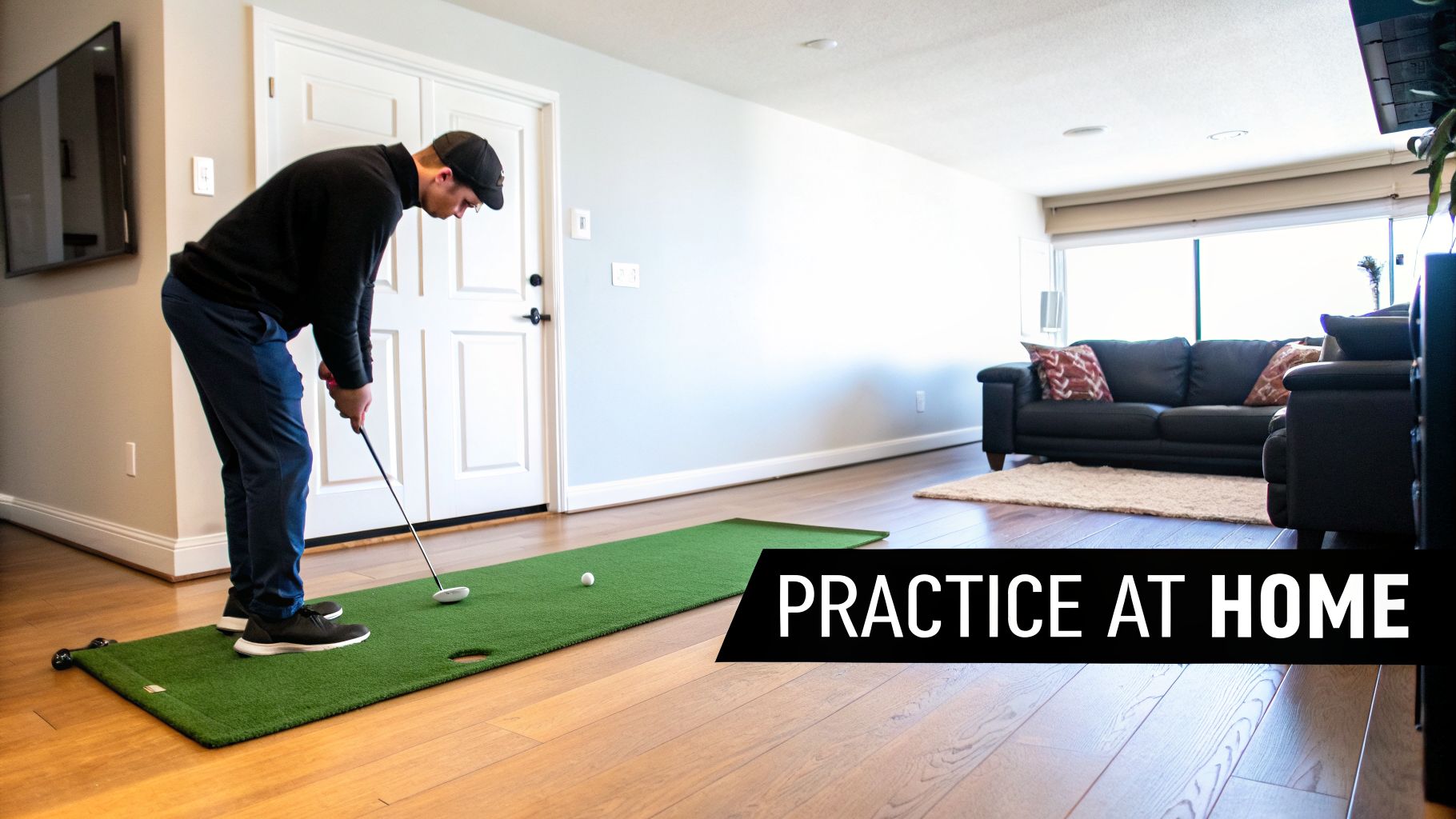
No range. No course. No excuse.
We’ve all been stuck at home with no access to a course more times than we can count. Weather. Travel. Life. It happens.
And here’s what we’ve discovered.
Most golfers waste that time. They wait until they can “play again.”
The ones who get better? They build a simple at-home golf practice routine that actually transfers to the course.
This is exactly how to practice golf at home without guessing—and without building bad habits.
Can You Practice Golf At Home And Actually Improve?
Yes. But only if you practice the right things.
We’ve seen most players grind full swings into a net for weeks… and get worse.
Why? No feedback. No structure. No purpose.
Then we’ve seen beginners spend 20 minutes a day on putting and contact drills…
…and show up hitting it cleaner within a week.
That’s the difference.
You don’t need a course.
You need a plan.
If your ball striking still feels inconsistent, start here first:
👉 [Golf Club Fitting For Beginners: What It Is, How It Works & If It’s Worth It]
Indoor Golf Practice Drills That Actually Transfer
Start with your short game. This is where strokes disappear fast.
At Golf Problems we’ve watched players drop scores without touching a driver—just by getting sharp inside 30 yards.
Set up a simple chipping station. Use foam balls. A towel. A laundry basket.
Pick a landing spot.
Hit low chips. Then mid. Then high.
Same club. Different shots.
You start to feel distance. You start to control trajectory.
That’s how touch is built.
How To Practice Putting At Home
If you’re not putting at home, you’re giving strokes away. We’ve seen it over and over again.
Players who practice putting daily—even on carpet—show up with better speed and start line.
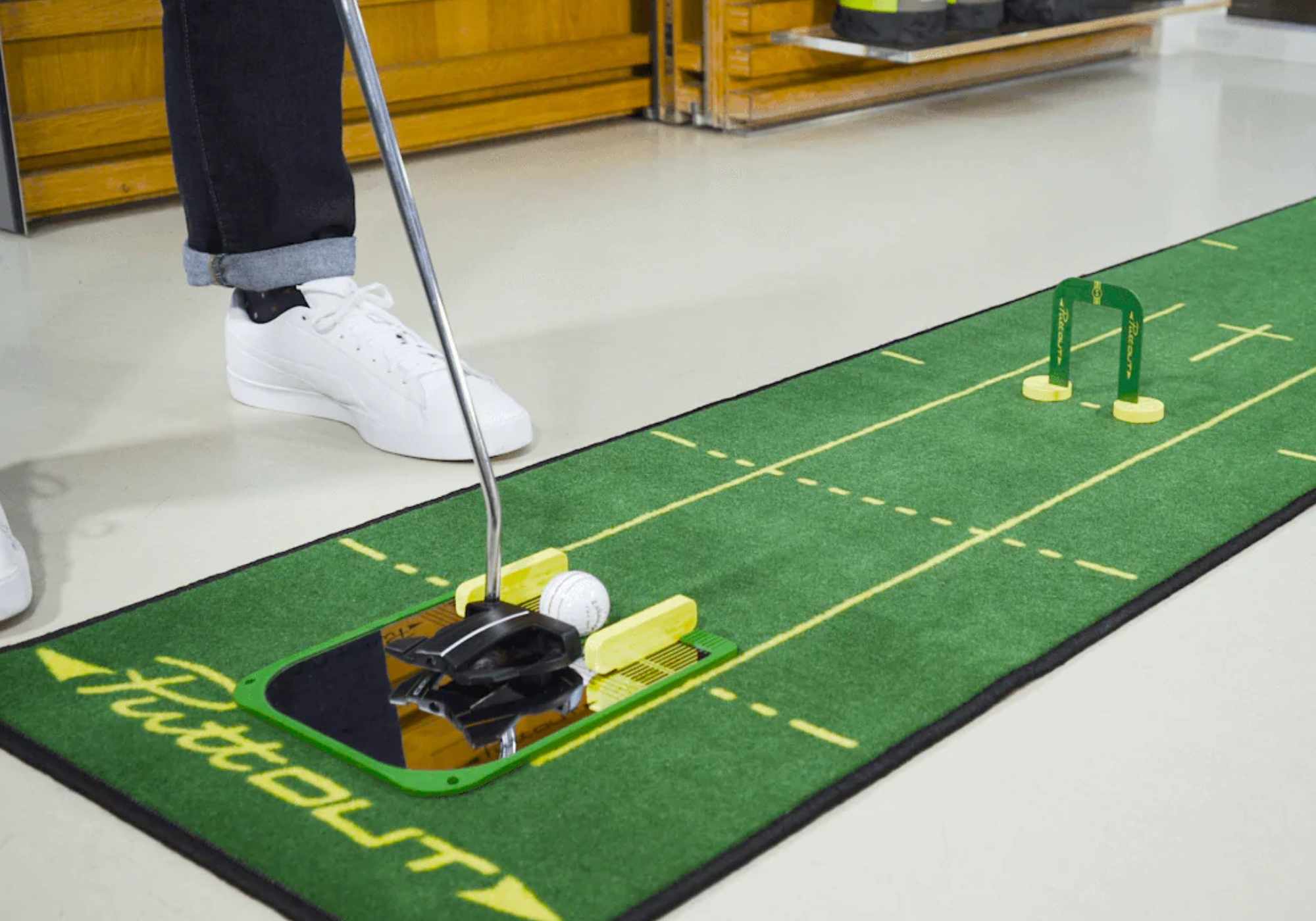
You don’t need a perfect setup. You need repetition.
Set up a straight putt across your floor. Focus on rolling the ball end over end. Then work on distance.
Pick a target. Roll balls to it. Watch how close you get. Do this for ten minutes a day.
Your feel for putting changes fast.
Here are some other simple drills to practice putting at home:
- The Gate Drill: Set up two objects (like sleeves of balls) just wider than your putter head. Work on keeping the stroke clean and centered.
- Start Line Drill: Lay down a ruler or yardstick and practice rolling the ball off the end without veering off.
- One-Ball Distance Drill: Putt to a target (like a cup or coaster) and track how close you leave it. The goal: consistent lag speed.
Golf Swing Practice At Home Without A Ball
This is where most people get uncomfortable. No ball. No feedback. Just movement.
But this is where real changes happen.
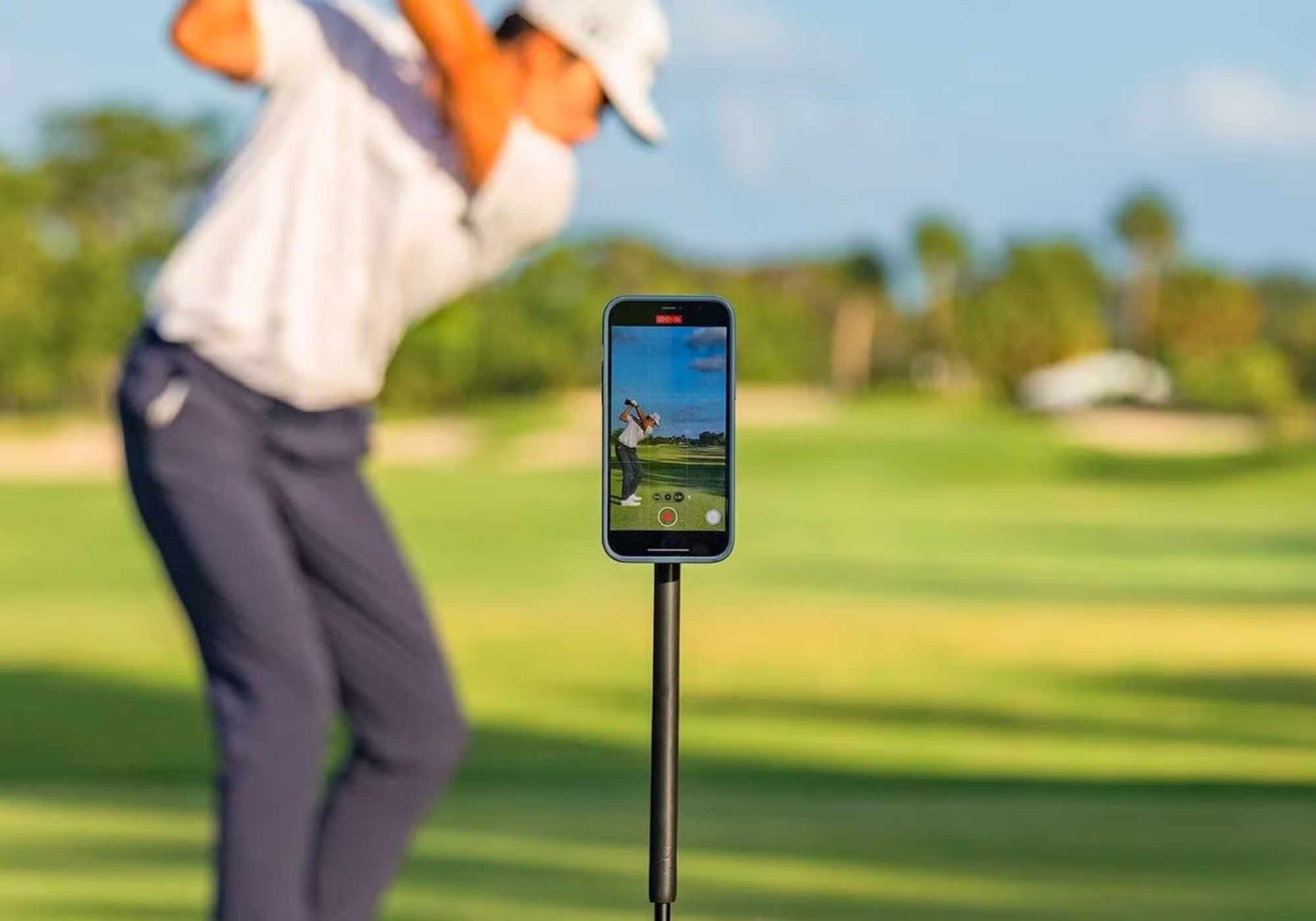
Use a mirror or your phone. Make slow, controlled swings.
Check your setup. Grip. Takeaway. Top position. Finish.
We promise you’ll fix more swing issues here than on the range.
No distractions. No ball to chase.
Just movement.
Build A Home Golf Setup That Actually Works
If you have space, this changes everything.
A simple indoor golf setup at home gives you reps you can’t get anywhere else.
And this is where most golfers make a mistake.
They buy cheap gear. Then wonder why their practice doesn’t transfer.
We’ve tested different setups. The difference is real.
If you want tools that actually help, start here 👉 [Best Golf Training Aids For Beginners]
Best Golf Hitting Mat For Home Practice
A bad mat teaches bad habits. Hitting off thin mats that let you chunk every shot and still get away with it. That’s how you ruin your swing.
You need a mat that gives feedback.
If you hit it fat, you should feel it. Look for real turf feel and enough thickness to protect your wrists.
This forces you to strike the ball clean. That’s what carries to the course.
Here’s what to look for in golf hitting mat:
Not all mats are created equal. You want something that mimics real turf — not a glorified welcome mat.
- Look for thickness: 3/4″ to 1″ of turf with solid backing protects both your wrists and your floor.
- Pay attention to feedback: Good mats will punish fat shots slightly so you don’t groove bad habits.
- Size matters: A 4’x5′ mat gives enough room to practice different stances and ball positions.
Best Golf Practice Net
If you’re swinging at home, your net matters. We’ve seen nets fall apart fast. Balls rip through cheap setups.
You want something stable.
Wide enough to catch mishits. Strong enough for full swings. Easy to set up so you actually use it.
The goal isn’t just hitting balls. It’s building a repeatable motion.
Here’s how to find the best golf practice net:
- Look for a wide base: At least 7’–10′ across to catch your occasional mishits.
- Easy assembly: Pop-up or foldable nets make practice sessions less of a hassle.
- Durability: If you’re using real balls, make sure it’s rated for full-swing shots.
Simple Golf Net And Mat Setup
You don’t need a simulator. You don’t need a full garage buildout.
Start simple.
A mat. A net. Enough space to swing freely. That’s it.
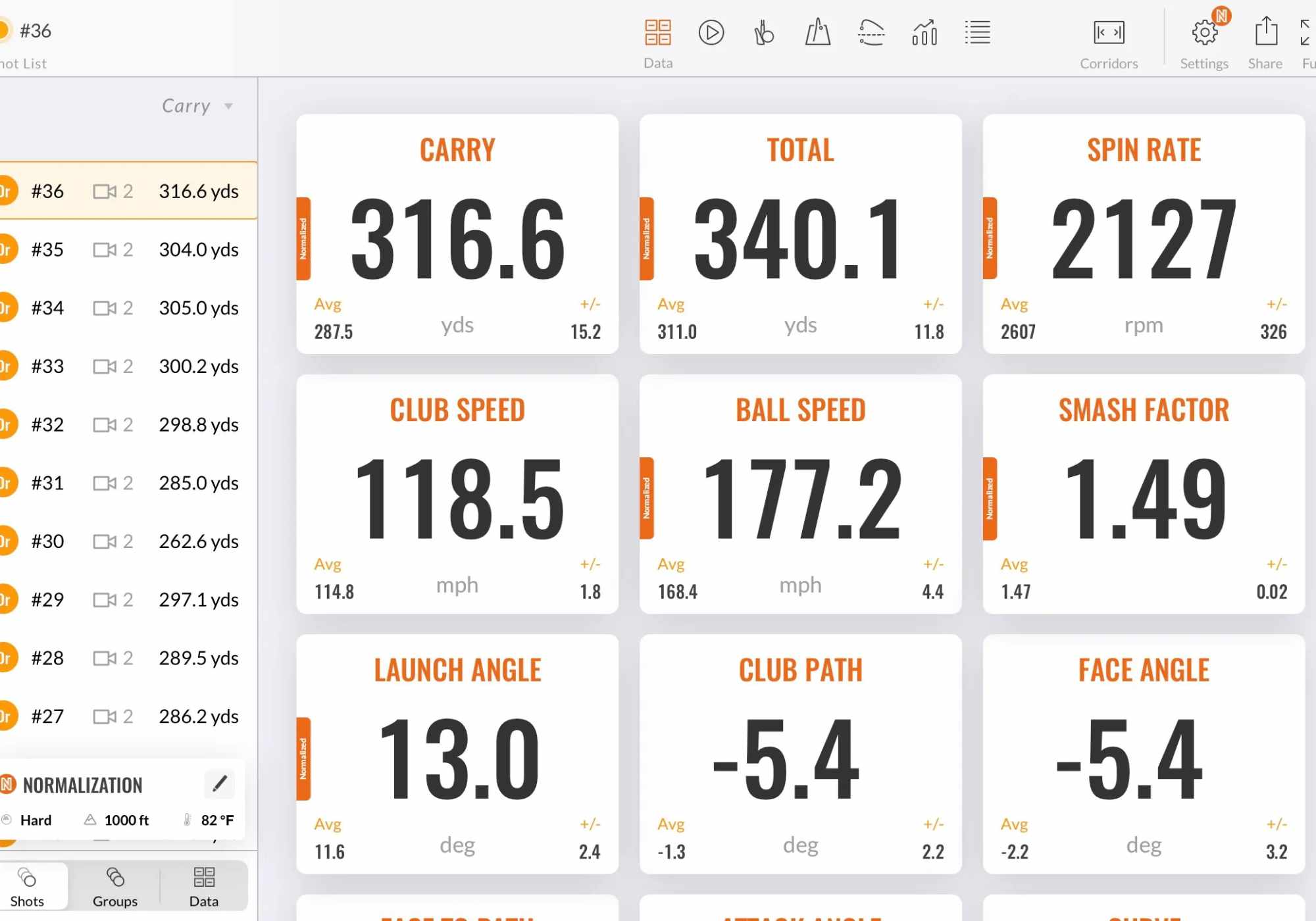
If you want to something more advanced, add a basic launch monitor. Even simple data like ball speed and carry distance helps. We’ve seen players improve faster just from seeing real numbers.
How To Practice Golf Without Hitting Balls
This is where most golfers leave gains on the table.
Mental reps.
Close your eyes. Picture a hole. See the fairway. The shot shape. The landing.
Go through your routine. Then “hit” the shot.
It sounds simple. But it works.
Try it yourself and watch it translate directly to better decisions on the course.
How To Improve Golf Without Playing More Rounds
More rounds don’t fix bad habits. Better practice does.
Track your game.
Where do you lose strokes?
Putting? Approach shots? Tee shots?
Most players guess. The ones who improve know.
Our trainers have worked with players who thought driving was the issue. Data showed putting was costing them 5+ strokes a round.
That’s where practice goes.
Build A Repeatable At-Home Golf Practice Routine
Consistency beats intensity.
You don’t need hours. You need structure.
Use a simple routine:
5 minutes of mirror work
10 minutes of putting
5 minutes of chipping
10 minutes of swings or mobility
That’s 30 minutes.
Done daily, it compounds fast.
The Shift
You don’t need a perfect range. You don’t need a full course. We’ve seen golfers improve more in a living room than on a crowded range.
Because they practiced with purpose.
You step back onto the course. Same swing. But now the contact is cleaner.
The ball starts on line. The distance makes sense.
That’s when it hits you.
You didn’t need more access. You needed better reps.
Build your at-home setup and start seeing real improvement.