
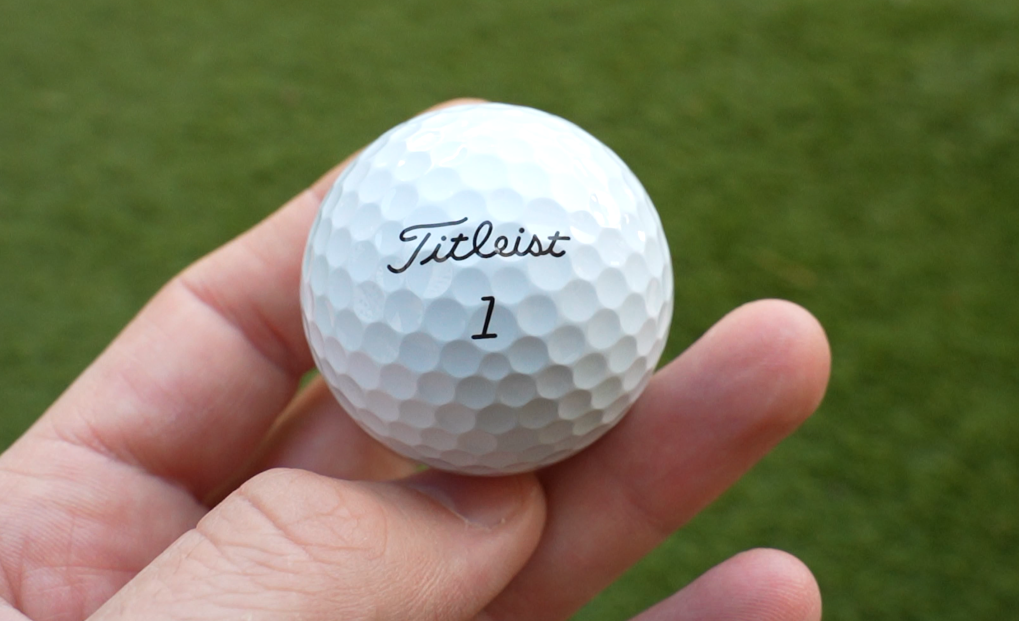
When most golfers think about their performance, they look to lessons, clubs, or practice routines. But there’s one piece of equipment that often gets overlooked: the golf ball. While all golf balls may look similar, the quality control behind their manufacturing process can make a huge difference in how they perform and whether they perform consistently from one ball to the next.
Why Quality Control Matters

Think of golf balls as precision-engineered products. Modern golf balls are made up of multiple layers, cores, and covers, all of which have to be produced and bonded together with incredible accuracy. Even slight variations in roundness, weight distribution, or cover thickness can lead to inconsistent spin, distance, or flight.
That’s why the companies who invest heavily in quality control (think rigorous inspection, state-of-the-art machinery, and strict tolerances) tend to produce balls that golfers trust.
How Golf Balls Are Made
While each brand uses its own proprietary designs, most follow a similar process:
- Core Creation: The ball starts with a rubber or synthetic core, often mixed with specific materials to dial in compression and energy transfer.
- Layering: Mid-layers (in three- to five-piece balls) are added to fine-tune spin, feel, and trajectory.
- Cover Application: A durable cover, typically ionomer or urethane is molded or cast around the core and layers.
- Dimpling: The cover is shaped with a precise dimple pattern that directly impacts aerodynamics.
- Painting and Stamping: Balls are coated, stamped, and inspected for finish quality.
At every stage, precision is critical. A slightly off-center core or uneven cover can cause a ball to wobble in flight or react unpredictably.
The Role of Consistency

One of the biggest differences between premium golf ball manufacturers and bargain-bin options is consistency ball to ball. You don’t want one sleeve of balls spinning high and the next sleeve flying low just because the cores were off-center or the dimple patterns weren’t perfectly replicated.
Independent tests have shown that some lower-quality balls can be significantly out of round, with weight shifted too far to one side. That can lead to more curve, less predictable distance, and unreliable performance, especially noticeable for better players but still impactful for beginners.
Brands Known for Tight Quality Control
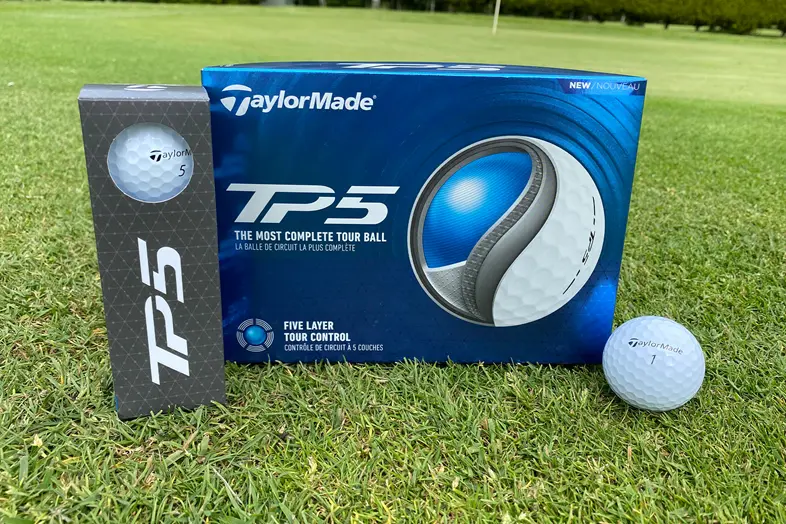
- Titleist (Pro V1/V1x and beyond): Titleist has long set the bar for golf ball quality control. Their plants in Massachusetts are dedicated solely to ball production, with multiple checkpoints and strict tolerances to ensure every Pro V1 performs nearly identically. This is a big reason why so many tour players—and everyday golfers—trust them.
- Callaway (Chrome Tour, Chrome Soft): Callaway has invested heavily in ball plants and quality testing in recent years, including 3D X-ray inspection to verify core placement and layer uniformity. This step helps eliminate “bad balls” before they ever get boxed up.
- TaylorMade (TP5/TP5x, Tour Response): TaylorMade also emphasizes consistency, with their cast urethane covers being among the thinnest and most precisely manufactured in the industry.
- Direct-to-Consumer Brands: Some DTC companies like Vice and Maxfli Tour have gained popularity for delivering tour-level designs at a lower price. However, quality control can vary depending on where the balls are manufactured and how rigorous their inspection processes are.
Why It Matters for You
You might be thinking: Does this really matter if I’m a beginner? The answer is yes. Golf is already a hard enough game without adding unnecessary inconsistency. If you can eliminate equipment variability, you’re free to focus on improving your swing and decision-making.
Using a ball from a reputable manufacturer means you’ll know how it’s going to behave, shot after shot, round after round. Even if you’re not spinning wedges back like the pros, you’ll benefit from a ball that launches and reacts predictably.
Final Thoughts
Golf ball quality isn’t just about performance, it’s about trust. The best manufacturers put enormous effort into ensuring every ball that comes off the line meets exacting standards, while cheaper or poorly made balls may cut corners on inspection. If you’re serious about improving or just want your equipment to do its job, playing a ball from a brand known for tight quality control and consistency is one of the smartest investments you can make.
Because when you’re standing on the tee, the last thing you want to wonder is whether the ball in your hand will fly the way it’s supposed to.