
When you look inside a seasoned golfer’s bag, it’s almost guaranteed that you’ll see multiple wedges. From the pitching wedge that comes standard with your iron set to specialty wedges designed for precision around the greens, wedges are the clubs that often separate good scoring from wasted shots. But how many wedges should you carry? The answer depends on your skill level, the types of shots you face, and how you prefer to manage your bag.
The Role of Wedges in Your Bag
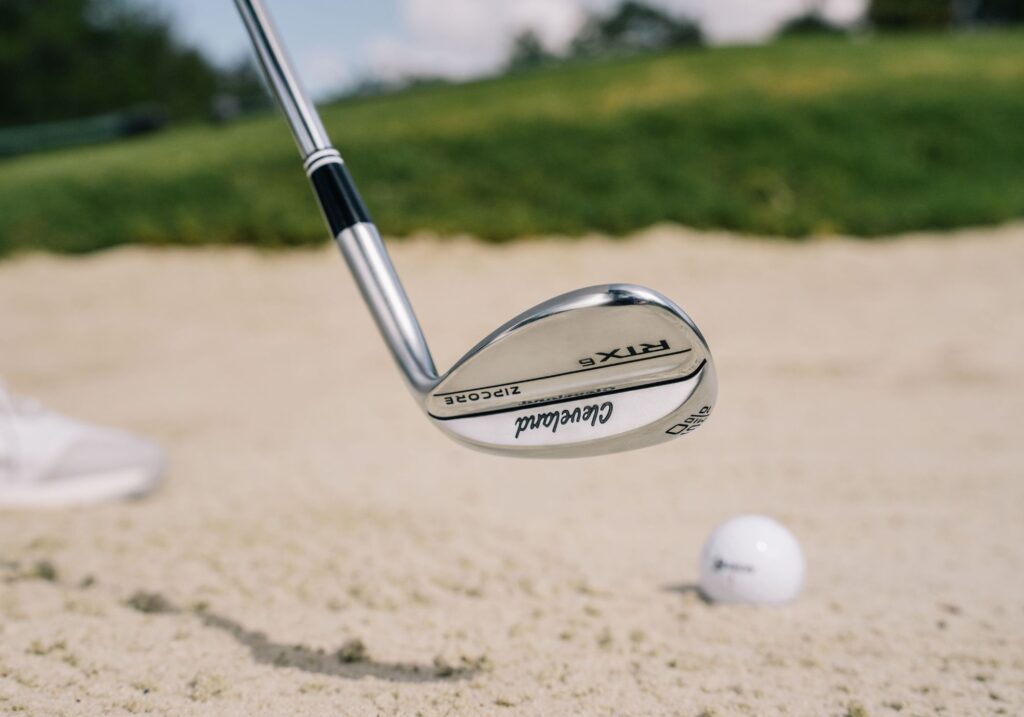
Wedges are scoring tools. Unlike your driver or long irons, which are built for distance, wedges are designed to give you control inside 130 yards. They allow you to fine-tune trajectory, spin, and distance. A well-thought-out wedge setup ensures you aren’t left guessing when faced with a 95-yard approach shot or a tricky greenside bunker. Most golfers carry somewhere between two and four wedges, each with advantages and trade-offs.
The Two-Wedge Setup
For beginners or players who prefer to keep things simple, a two-wedge setup works well. This usually means carrying a pitching wedge along with a sand wedge. The pitching wedge, typically lofted between 44 and 46 degrees, handles full shots from around 110 to 130 yards depending on swing speed. The sand wedge, usually lofted between 54 and 56 degrees, is versatile enough for bunker shots, pitches, and chips. While this setup covers the basics, it does leave larger gaps in distance, which can make precision difficult.
The Three-Wedge Setup
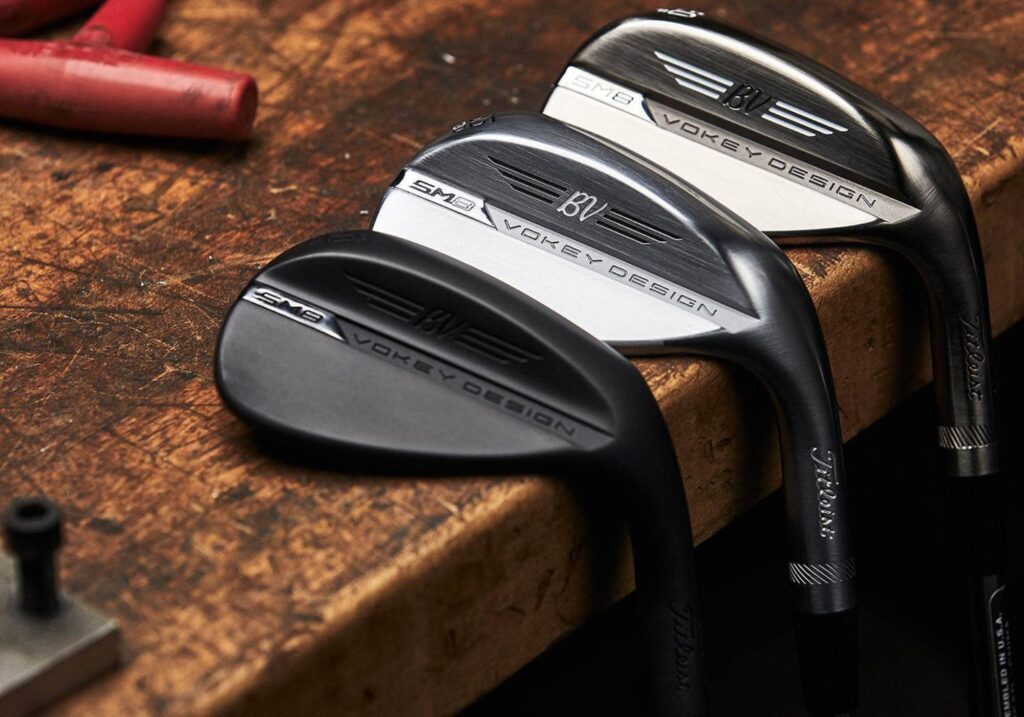
The most common configuration among recreational players is three wedges. A typical setup includes a pitching wedge, a gap wedge, and a sand wedge. The gap wedge, often lofted between 50 and 52 degrees, fills the distance void between pitching and sand wedges. This helps smooth out yardage gaps and makes partial swings less demanding. With three wedges, players gain more flexibility while still keeping their setup simple and manageable.
The Four-Wedge Setup
More advanced players or golfers who prioritize their short game often carry four wedges. This includes a pitching wedge, a gap wedge, a sand wedge, and a lob wedge. The lob wedge, usually lofted between 58 and 60 degrees, opens up more shot-making possibilities. It allows players to hit higher, softer shots that stop quickly on firm greens, as well as delicate chips and flop shots. The downside is that lob wedges can be harder to control, especially for beginners. But in the hands of a confident player, they are invaluable for scoring.
What to Consider When Choosing Your Setup

When deciding how many wedges to carry, it’s important to think about the rest of your bag. If you rely heavily on multiple fairway woods or hybrids, you might have less space for wedges since you’re limited to 14 clubs. Course conditions also matter. If you regularly play on courses with firm, fast greens, having an extra wedge can be a big advantage. On the other hand, wide fairways and longer courses may require you to prioritize long clubs.
Your strengths and weaknesses should also play a role. If you struggle inside 100 yards, adding an extra wedge can give you more options and improve confidence. If you are already comfortable hitting half and three-quarter swings, you may not need as many.
Why Gapping Matters

No matter how many wedges you choose to carry, consistent loft gapping is essential. Ideally, wedges should be separated by about four to six degrees of loft. This creates predictable distance gaps of around 10 to 15 yards between clubs. For example, a setup with a 45-degree pitching wedge, a 50-degree gap wedge, a 54-degree sand wedge, and a 58-degree lob wedge ensures consistent coverage from 130 yards down to short chips. Without proper gapping, you may end up with overlapping distances or large holes in your yardage coverage.
Example Wedge Setups
To help you visualize what different setups might look like, here are two common progressions.
A balanced four-wedge setup often starts with a 45-degree pitching wedge, then moves to a 50-degree gap wedge, a 54-degree sand wedge, and a 58-degree lob wedge. This arrangement provides smooth, consistent spacing between clubs and works well for golfers who want complete short-game coverage.
A three-wedge setup might include a 46-degree pitching wedge, a 52-degree gap wedge, and a 56-degree sand wedge. This keeps things simple while still giving you strong coverage between 120 yards and greenside play. The sand wedge doubles as both a bunker club and a high-lofted option for pitches and chips.
These examples aren’t the only way to build a wedge setup, but they show how you can think about loft spacing and coverage. The right choice depends on your swing, your course, and the types of shots you want to hit.
Final Thoughts
There is no universal answer to the question of how many wedges to carry. Beginners can succeed with two, most recreational golfers will benefit from three, and avid players often prefer four. The right setup depends on your personal game, the courses you play, and the types of shots you face most often. If you are unsure, start with three wedges and see how comfortable you feel. Pay attention to whether you are left with awkward yardages or wishing for a higher, softer shot around the greens. Adjust as needed until your wedges feel like scoring weapons rather than guesswork.
With the right wedge setup, you give yourself more options, more confidence, and more chances to save strokes where it matters most.